7 Money-Saving Secrets: Smart Roof Replacement Costs Guide

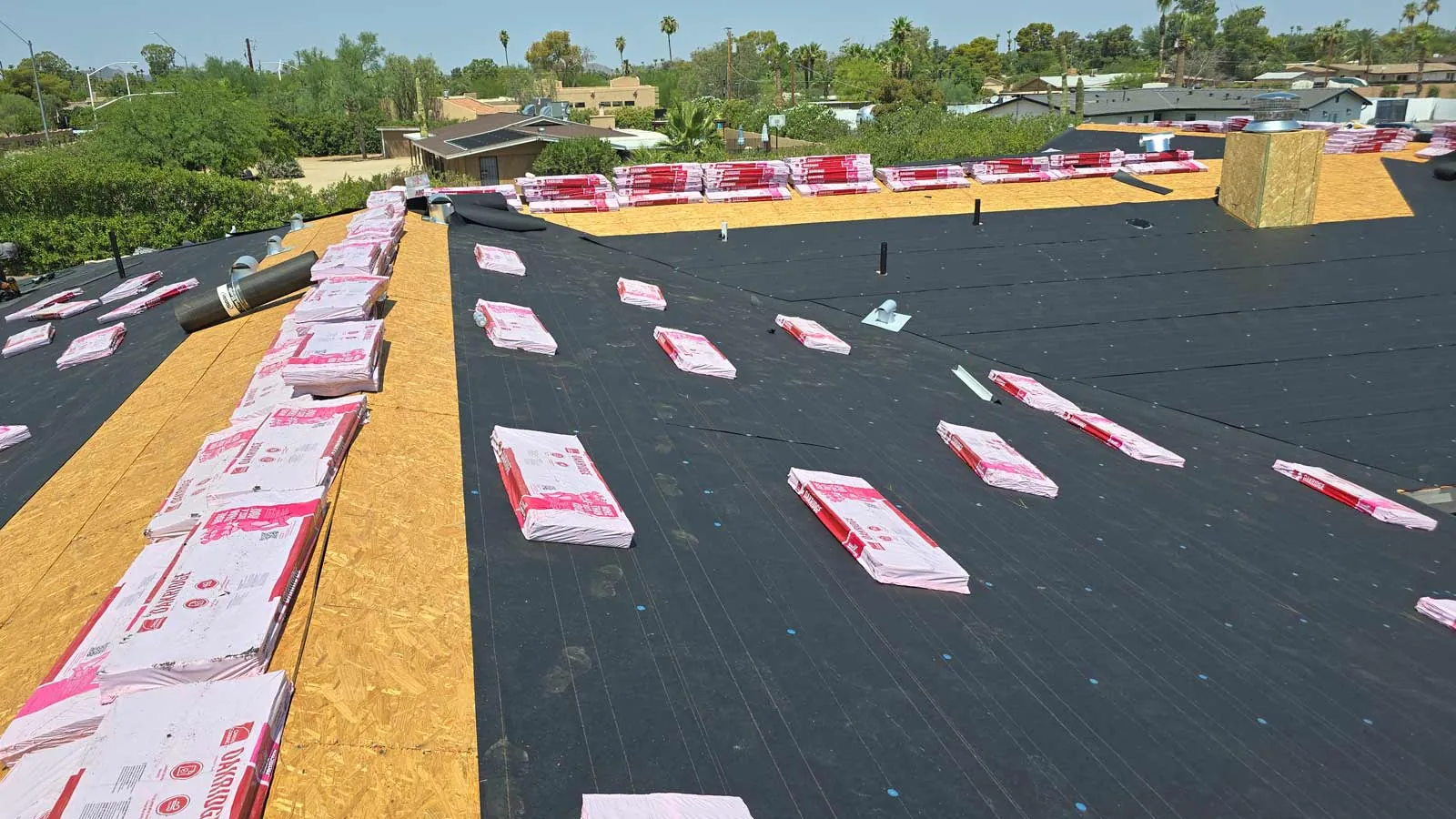
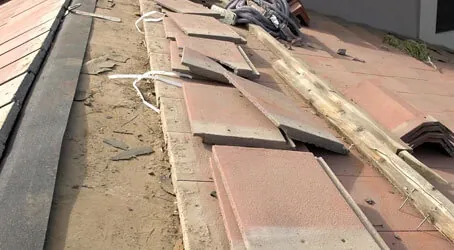
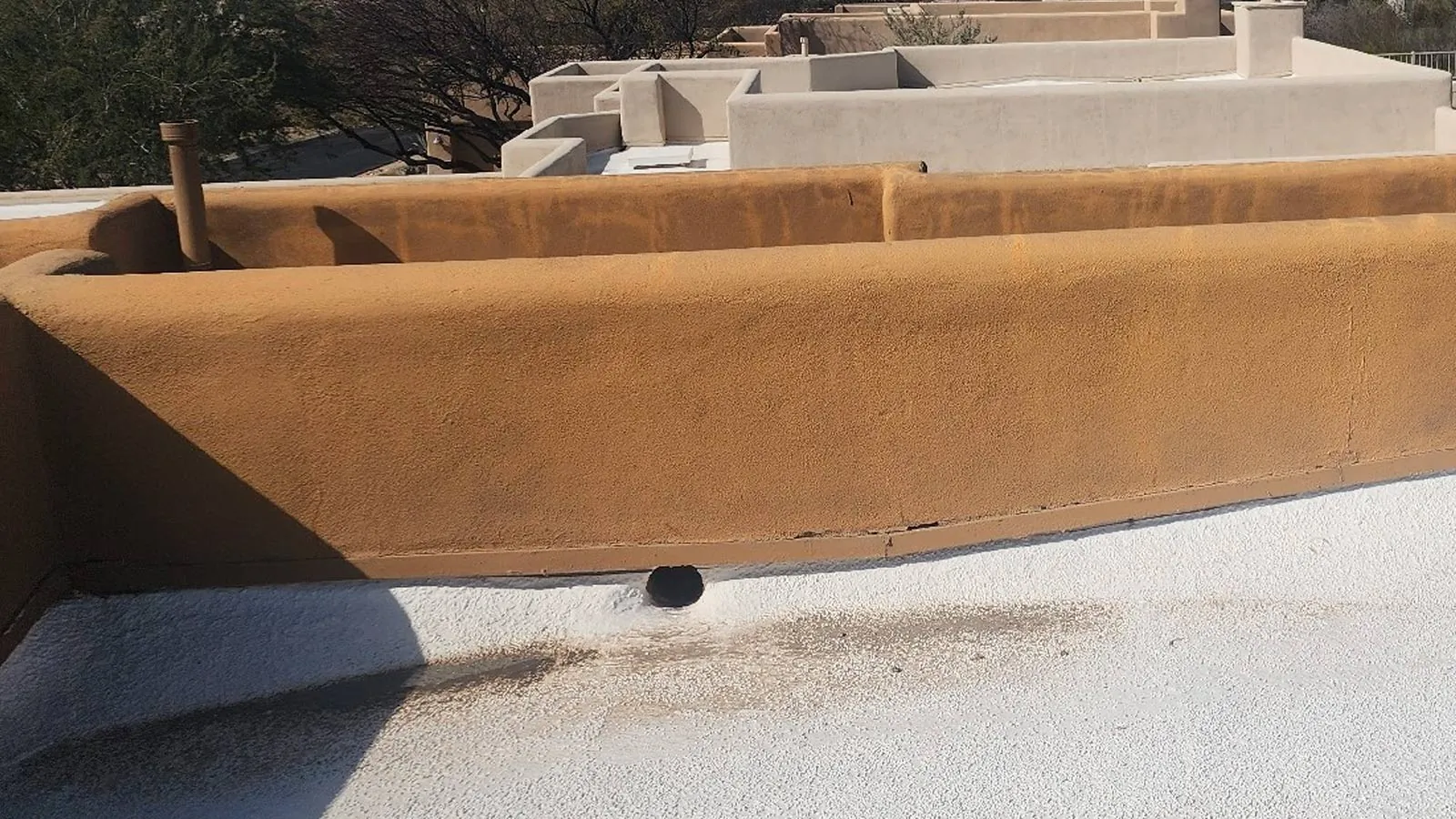
A roof replacement cost might shock any homeowner. You might need to spend between $6,700 and $80,000 for a new roof. Yes, you read that right.
Your choice of materials and roof size mainly determine the average roof replacement cost. Emergency repairs during weekends or holidays can push these costs even higher. We found that homeowners can save thousands of dollars through smart decisions while keeping their homes protected.
Our team of roofing experts created this piece to simplify roof replacement costs for you. You’ll learn everything from shingle roof replacement costs to using a reliable roof replacement cost calculator. Smart homeowners can make better financial decisions by scheduling projects in off-peak seasons and checking insurance coverage for eligible damage. The best time to avoid is late summer and early fall.
Act Early: Don’t Delay Minor Roof Issues
The price gap between a $500 repair and a $15,000 full roof replacement boils down to timing. I’ve watched many homeowners brush off minor roofing problems that turned into huge expenses just months later. Your home’s first line of defense can’t wait – putting off repairs will get pricey.
Why small problems become big expenses
Small roof problems grow quickly. That single missing shingle might not look like much today, but it opens a gateway for water that damages multiple layers of your roofing system if you leave it alone.
Water seepage might only affect your roof’s outer layer at first. The moisture keeps moving deeper and damages the roof deck, insulation, and works its way into your attic and interior ceilings. A simple shingle replacement job turns into a complete structural repair.
Here’s how small problems typically escalate:
- Damaged shingles → water seepage → deck rot → interior leaks → mold growth → health issues and major structural damage
- Clogged gutters → ice dams → water backing up under shingles → fascia damage → roof edge deterioration
- Minor flashing issues → water entering roof joints → damaged rafters → ceiling stains → electrical hazards
These cascading problems hit more than your wallet—they disrupt your home’s energy efficiency, indoor air quality, and overall property value. A few hundred dollar fix could end up costing thousands in damages and force you to replace your roof years ahead of schedule.
Cost difference between early and late repairs
Early fixes versus delayed repairs show a stark financial contrast. Minor repairs usually run between $150 and $1,500 based on the problem and where you live. A full roof replacement costs anywhere from $6,700 to $80,000 depending on materials and complexity.
To cite an instance, see a small leak around a chimney flashing. Quick action might cost $300-$500 for professional repair. But that same leak left alone for a year could damage your roof deck, leading to:
- Partial deck replacement: $1,000-$2,500
- New flashing installation: $300-$600
- Interior ceiling repair: $500-$1,500
- Mold remediation: $2,000-$6,000
That $500 repair balloons into a $3,800-$10,600 problem—not counting the headaches from extensive interior repairs.
Material choices make this price gap even clearer. A minor repair on a shingle roof costs about 85% less than waiting for a complete replacement. Premium materials like slate show the same pattern—early repairs save money compared to full replacements.
Regular maintenance can add 5-10 years to your roof’s life – something many homeowners don’t realize. The average roof replacement runs $350-$1,100 per square (a 10×10 foot area), so keeping your existing roof makes financial sense.
Insurance companies usually cover sudden, accidental damage but not wear and tear from neglect. Small issues that grow into big problems might mean paying everything yourself instead of getting partial coverage for prompt repairs.
Annual inspections prove to be one of the smartest investments you can make in your home. Professional roof inspections cost $200-$600 – a tiny fraction of what you’d spend on an early replacement. This prevention strategy works just like regular oil changes for your car instead of waiting for engine failure.
Invest in Durable, Cost-Effective Materials
Picking the right roofing materials can feel daunting. Your choice will affect your expenses for years to come. Homeowners who spend more on quality materials at the outset often save money in the long run. My experience shows that people who choose materials based on durability and performance rather than the original price end up saving thousands.
Best materials for long-term savings
Quality varies greatly among roofing materials. Slate remains the top performer in durability and can last 75 to 100+ years if you manage to keep it well. This natural stone option costs about $20-$30 per square foot with installation, but nothing matches its longevity.
Clay and concrete tiles are the next best options, lasting between 50-100 years. Concrete tiles cost about $12-$15 per square foot, making them a great investment over time.
Architectural asphalt shingles are a good match for homeowners who want something more affordable yet durable. These last about 30 years and cost $5-$7 per square foot.
How much does roof replacement cost over time?
The real cost comparison becomes clear over a roof’s lifetime. A simple example shows why: a basic asphalt shingle roof might cost $6,000 for a 2,000 square foot home but needs replacement after 15-20 years.
A homeowner might pay for three complete replacements over 50 years, bringing total costs to $18,000-$24,000 (without counting inflation).
This same math works for all materials. Premium materials show even bigger savings:
Architectural asphalt shingles give most homeowners the best mix of reasonable cost ($5-$10 per square foot) and decent lifespan (30 years). Homeowners planning to stay put should look at concrete tiles or synthetic slate to get the most value.
Schedule During Off-Peak Seasons
Smart timing of your roof replacement project can save you thousands of dollars. Roofing costs change throughout the year based on how many people need work done, weather conditions, and whether contractors are available. Your smartest financial move might be scheduling this major home investment at the right time.
Roof replacement cost per square in different seasons
You’ll notice a big difference between peak and off-peak season costs. Expect to pay 10-20% more for the same quality work during spring and summer (peak seasons). This price difference will affect your total cost significantly, especially if you have a larger roof.
Location adds another layer to these seasonal price differences:
Here’s a real example: A Chicago homeowner might pay $9,000 for a 1,500-square-foot roof in July (peak season) but only $7,500 in October (off-peak). That’s a $1,500 savings just by waiting a few months.
Winter brings the best prices. Contractors adjust their rates during colder months because they have fewer projects. You’ll also benefit from shorter wait times and quicker project completion.
How timing affects contractor pricing
Supply and demand drive seasonal pricing. Roofing companies are busiest from late spring through summer. During these busy months:
- High demand pushes labor costs up
- Supply chain pressures may increase material costs
- Contractors can charge premium rates
- You might wait weeks or months to schedule work
The off-peak “slow season” (late fall through winter) brings several advantages:
- More contractors available means more competitive bids
- Companies give 10-15% discounts to keep crews working
- Suppliers offer end-of-year material discounts to clear inventory
- You’ll get priority scheduling and faster completion times
The timing of your bid matters too. Projects bid during late fall and winter months for spring starts often get the best prices. This happens because contractors want to fill their upcoming schedule while competition remains high.
Fall or winter is your best chance to save money on a roof replacement when demand naturally drops. If your area’s winter weather makes installation difficult, try getting bids during winter for early spring installation. You’ll lock in better rates before prices go up.
Note that quality should stay your top priority even though timing affects pricing. Good contractors maintain their high standards year-round. The best strategy balances cost savings with the right installation conditions for your roof type and local climate.
Off-peak seasonal discounts are one of the easiest ways to cut your roof replacement cost without compromising quality or durability. Understanding contractor pricing patterns and planning your project timing carefully helps you get excellent work at the best possible price.
Use Insurance and Local Incentives
Smart homeowners know they can save big on roof replacement costs through insurance claims and incentive programs. My experience with numerous roof projects shows that clients save thousands of dollars when they know how to use these financial resources properly.
What insurance typically covers
Homeowners insurance usually pays for roof replacement when sudden, unavoidable events cause damage. Your roof is protected under dwelling coverage (Coverage A) in standard policies against specific risks:
- Windstorm damage – including torn shingles and structural harm
- Hail impacts – even when damage isn’t visible right away
- Fire and lightning strikes
- Falling trees and storm debris
- Weight of ice, snow, or sleet
You need to know your coverage types to get the most from your claim. Most policies come in two forms:
Most insurance companies put age limits on roofs. Roofs older than 20 years often get only actual cash value coverage or need inspections before renewal. This means you’ll get less money for older roofs, so replacing them before problems start makes more financial sense.
You must report insurance claims quickly within set timeframes. Missing these deadlines could get your claim denied, so take photos and write down damage details right away for successful claims.
Insurance won’t cover everything. Here’s what’s usually excluded:
- Normal wear and tear or age-related problems
- Damage from poor maintenance
- Looks-only issues that don’t affect how the roof works
- Old damage or bad installation work
Local and federal energy-efficiency rebates
Beyond insurance, many government programs cut roof replacement costs through tax credits and rebates. The federal Energy Efficient Home Improvement Tax Credit gives up to 30% back on qualifying roofing materials with a yearly limit of $1,200. ENERGY STAR certified asphalt shingles with cooling granules qualify.
State programs offer different savings:
- California gives up to $5,000 back for eligible roofing materials with other efficiency upgrades
- Florida’s Solar and Energy Loan Fund provides up to $5,000 for ENERGY STAR certified roofing plus low-interest loans
- New York residents can get up to $4,000 through NYSERDA programs
- Texas lets homeowners finance up to 100% of energy-efficient upgrades through their Property Assessed Clean Energy program
Utility companies also give rebates to customers who install energy-efficient roofing. These savings add up when combined with federal and state programs.
Keep all receipts and manufacturer certification statements to get the best results. Save energy ratings, product specs, and photos showing the improvements. Program rules change each year, so talking to a tax expert before picking materials helps you get all possible benefits.
Smart homeowners can save a lot on roof replacement by using insurance coverage for eligible damage and rebates for energy-efficient materials. This approach cuts total costs while making your home perform better and increasing its value.
Avoid DIY Mistakes and Hire Smart
DIY roof projects look tempting to homeowners who see the average roof replacement cost. The financial math rarely favors people who try this complex task themselves.
Risks of DIY roof replacement
A project that starts as a way to save money guides you toward more expensive problems later. DIY roofing mistakes create improper installations that cause leaks, structural damage, and maybe even mold growth. These problems don’t just compromise your home’s protection but ended up costing more than hiring professionals from the start.
The safety risks are serious. Roofing work needs specialized equipment and training to prevent dangerous falls that can cause serious injuries or worse. Even skilled DIYers face major dangers at heights without proper safety systems.
The biggest problem comes when improper DIY work voids manufacturer warranties and breaks local building codes. Insurance companies need professional installation, which means DIY mistakes could make you pay for any damage.
Choosing licensed contractors wisely
Finding the right professional starts with checking their credentials. Good contractors should show you:
- State licensing and proper credentials
- Liability insurance (minimum $1 million coverage)
- Workers’ compensation insurance
You should check their reputation through the Better Business Bureau and online reviews. Contractors who have occasional disputes can be fine if they handle problems professionally.
A contractor’s permanent physical business address is crucial—stay away from those who only use P.O. boxes. This check helps you avoid fly-by-night operators who might vanish after getting paid.
What to ask before hiring
You should ask these key questions before signing any contract:
- “How long have you been in business and what is your specific experience with my roof type?”
- “Will you provide a detailed written proposal rather than just a price estimate?”
- “What type of workmanship warranty do you offer?”
- “Who will get permits and handle inspections?”
- “Will you check my roof deck condition and what happens if it needs replacement?”
Make sure to call references from recent clients. Ask to see before-and-after photos of similar projects. The best contractors share this information openly and show confidence in their work.
Quality contractors inspect your roof’s ventilation system and explain how it helps extend your roof’s life. This attention to detail shows you’re working with someone who sees roofing as a complete system rather than just shingles.
Professional installation might cost more at first, but it gives you better results, warranty protection, and peace of mind that DIY methods can’t match.
Plan for Long-Term Maintenance and Upgrades
Regular maintenance extends your roof’s lifespan and can save you thousands on early replacement costs. Each dollar you spend on upkeep saves five to ten dollars down the road. This makes maintenance your smartest financial move after installation.
Annual inspections and cleaning
Professional roof inspections twice a year work best to prevent damage that can get pricey. Schedule these inspections in spring and fall to spot seasonal wear. After severe weather, an extra inspection is vital since hidden damage might take weeks to show.
You should check your roof between professional visits. Look for:
- Missing or damaged shingles
- Signs of water intrusion or staining
- Mold growth or algae build-up
- Clogged gutters and drainage systems
Good record-keeping of all inspections helps you track your roof’s condition as time passes. Clean gutters prevent water from pooling and backing up under shingles, which often leads to early deterioration.
Professional inspections cost $200-$600, just a small part of what you’d pay for full replacement. Better yet, finding small issues early turns potential $3,800-$10,600 problems into $300-$500 fixes.
Installing gutter guards and attic ventilation
Gutter guards are worth the investment as they reduce maintenance needs by a lot. These guards do more than prevent clogs:
- They protect against rust and early gutter wear
- Stop water damage to walls and roof structures
- Lower the risk of ice dams during winter
Proper attic ventilation is the foundation of a longer-lasting roof. Your attic’s ventilation does two key things: it keeps the space cool in warm months to reduce shingle stress and cuts down moisture in cold periods. Many manufacturers need proper ventilation to keep your warranty valid.
When to replace instead of repair
Your choice between repair and replacement depends on several things. Repairs make sense for small, isolated damage. You should think about replacement when:
- Multiple repairs would cost more than replacement over a few years
- Your roof shows widespread aging or storm damage
- Leaks keep coming back despite repairs
- Interior damage points to bigger hidden problems
Trusted professionals can help you assess if partial reroofing might work for damage in just one section. Full replacement costs more upfront but saves money over time by avoiding repeated repair costs.
Smart maintenance through regular checks and timely upgrades remains your best shield against surprise replacement costs.
Comparison Table
Conclusion
A roof is one of the biggest investments you’ll make in your home. My years in the roofing industry have shown me how good planning and smart decisions can save thousands while keeping your home protected.
These seven money-saving secrets are the foundations of managing roof replacement costs. Quick action on small problems prevents $500 repairs from turning into $15,000 replacements. As with quality materials, they might cost more at first but provide better long-term value, especially architectural shingles.
Timing is a vital factor in cutting costs. Projects scheduled during off-peak seasons can save 10-20% through better contractor rates and availability. On top of that, you can reduce out-of-pocket costs by checking insurance coverage and energy-efficiency rebates.
Combining your roof replacement with other exterior work eliminates extra setup fees and often leads to contractor discounts. While DIY might look appealing, professional installation ended up protecting your investment through quality work, valid warranties, and code compliance.
Bi-annual inspections extend your roof’s life and save $5-10 for every dollar spent on maintenance. This active approach turns thousands in emergency repairs into manageable upkeep costs.
Smart homeowners can save thousands on roof replacement compared to those caught unprepared. These strategies help you make better decisions that protect your home and finances. Note that a roof isn’t just another expense—it’s an investment in your property’s value, efficiency, and protection.
Key Takeaways
Smart roof replacement planning can save homeowners thousands while ensuring quality protection through strategic timing, material choices, and proactive maintenance.
• Act on small issues immediately – A $500 repair today prevents $3,800-$10,600 in damage later when minor problems escalate into major structural issues.
• Schedule during off-peak seasons – Timing your project in late fall or winter saves 10-20% on total costs through reduced contractor rates and better availability.
• Choose durable materials for long-term value – Quality roofing materials cost double upfront but eliminates multiple replacements over 50 years, saving thousands compared to basic shingles.
• Bundle exterior projects together – Combining roofing with siding or windows eliminates duplicate setup fees and qualifies for contractor discounts on larger projects.
• Leverage insurance and energy rebates – Federal tax credits offer up to 30% back on qualifying materials, while insurance covers sudden damage events.
• Invest in professional maintenance – Bi-annual inspections costing $200-$600 save $5-10 for every dollar spent by extending roof lifespan and preventing premature replacement.
The key to maximizing savings lies in viewing your roof as a long-term investment rather than just an expense. By combining these strategies—from early intervention to strategic scheduling—homeowners can significantly reduce their total roofing costs while ensuring superior protection and performance for decades to come.
FAQs
Q1. What is the estimated cost for a roof replacement in 2025? The average cost for a full roof replacement in 2025 is expected to be around $26,600, with roofing materials alone costing approximately $10,640. However, prices can vary significantly depending on your location, with coastal metropolitan areas like San Francisco and Los Angeles typically having higher costs due to increased labor and regulatory expenses.
Q2. How does the “25% rule” apply to roof replacements? The 25% rule in roofing refers to a common insurance practice. If damage affects more than 25% of your roof’s surface area, and the original roofing work was properly permitted, your insurance company may cover the cost of replacing the entire roof rather than just repairing the damaged portion.
Q3. When is the most cost-effective time of year to replace a roof? The most economical time to replace a roof is typically during the off-peak season, which is usually late fall through winter. During these months, roofing contractors often offer discounts of 10-15% to keep their crews employed, and you may benefit from end-of-year material discounts as suppliers clear inventory.
Q4. What’s the average cost to replace a roof on a 2,000-square-foot home? For a 2,000-square-foot roof, the national average replacement cost ranges from $7,000 to $15,000. However, this can vary based on materials and local labor costs. For asphalt shingles, the most common roofing material, you can expect to pay between $3.50 and $7.50 per square foot.
Q5. How can bundling roofing with other exterior projects save money? Bundling your roof replacement with other exterior projects like siding or window replacement can significantly reduce overall costs. This approach eliminates duplicate setup fees, often qualifies for contractor discounts on larger projects, and ensures better integration between different components of your home’s exterior, potentially improving energy efficiency and long-term durability.
Get a free roofing checkup.
A licensed KY-KO roofer inspects your roof, documents anything the desert threw at it, and gives you a straight answer — repair, recoat, or replace.