DIY Roof Replacement Warning

Ready to replace your roof by yourself? You should think about both sides of this decision carefully. A professional asphalt shingle roof installation costs around $10,000 in 2026. The money you might save looks tempting, but many homeowners miss some serious hidden risks.
Your cost-cutting project could become dangerous quickly. Statistics show that falling from heights causes more than half of all construction deaths. The job involves much more than just putting down shingles – it requires specific techniques to prevent water damage and structural issues. Professional roofers finish the job in a few days, while you might struggle with it for weeks.
Let’s get into the reasons homeowners take the DIY path at first, the risks they don’t see coming, and how professional roofing often becomes the smarter financial choice. You should know a few critical things about roof replacement before you step on that ladder.
Why DIY Roof Replacement Seems Like a Good Idea
Many homeowners see their aging roofs and feel tempted by DIY replacement. The appeal of DIY roof work comes from real advantages that make this challenging project worth thinking over. Let’s get into what motivates so many property owners to grab that ladder and take on one of the biggest home improvement projects.
Saving money on labor
DIY roof replacement’s financial benefits are clear. Homeowners can save $5,000 to $9,500 on an average project by doing the work themselves instead of hiring professionals. Labor makes up about 60% of what professional roofers charge.
To name just one example, see these numbers:
- DIY roof replacement costs run $2,000 to $6,000 for materials and tools
- Professional roofing services cost $10,000 to $12,000 for the same job
Material costs stay about the same whether a pro or homeowner does the job. Shingles, underlayment, nails, and flashing cost identical amounts for both homeowners and contractors. Professional crews charge $2.50 to $5.50 per square foot just for installation. This adds thousands to your bill on a standard 2,000 square foot roof.
Learning a new skill
Money isn’t everything – many homeowners love DIY projects because they learn something new. Taking on your own roof replacement is a chance to learn more about your home’s structure.
Roof replacement helps you become skilled at using tools like caulk guns and air compressors. You’ll also learn proper sealing techniques. This knowledge helps with future maintenance and repairs, which saves you money later.
On top of that, it feels great to finish such a big project. You’ll feel proud every time you pull into your driveway or look up at your work. That sense of accomplishment only comes from completing tough home projects yourself.
Working on your own schedule
DIY roof replacement lets you retain control over when and how the work gets done. You won’t deal with contractors’ limited availability or strict schedules. The project moves at your pace.
This flexibility works great for homeowners who have unpredictable work hours or prefer working in short bursts. You pick when to start, how fast to work, and when to take breaks.
The scheduling freedom lets you pay attention to details that professional crews might rush through because of tight deadlines. You can perfect each roof section without time pressure.
DIY roof repair and replacement speaks to people who value independence and hands-on home maintenance. Cost savings, new skills, and flexible scheduling are great reasons to think over the DIY approach as you weigh your roof replacement options.
The Dangers You Might Not See Coming
DIY roof work might seem cost-effective, but dangerous risks hide beneath these seemingly simple projects. Many DIYers, even experienced ones, fail to see these hidden hazards that can lead to devastating outcomes.
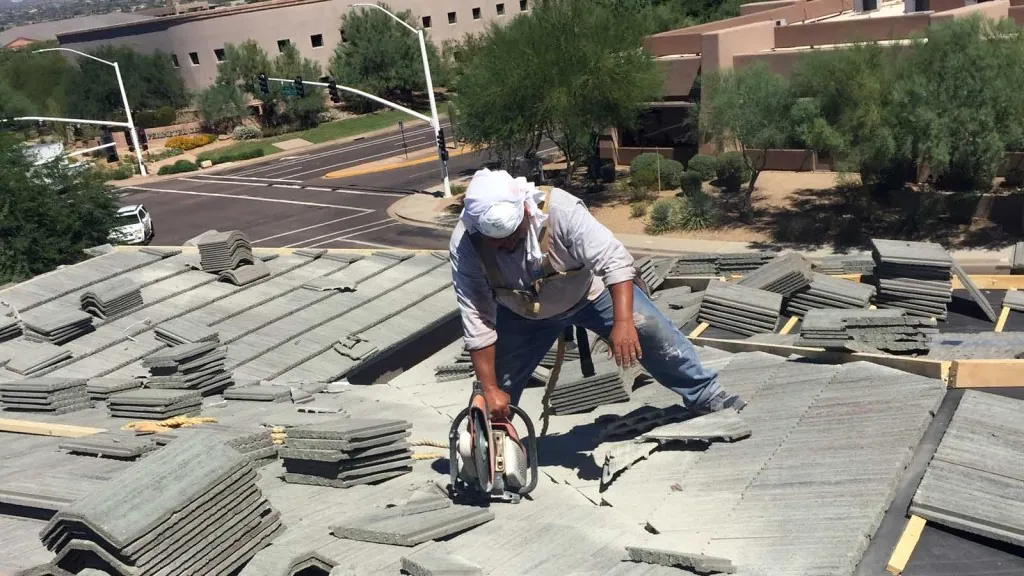
Injury risks from working at heights
The construction industry’s number one killer remains falls. This fact becomes more concerning when homeowners without training attempt roof work. OSHA data shows that falls from heights cause many construction worker deaths yearly.
What makes roof work so dangerous?
- Rain, ice, or debris create slippery surfaces that spell danger
- Professional roofers struggle with balance on steep slopes
- Your weight could cause damaged roof decking to collapse
A small mistake can lead to catastrophic injuries, which is why the Arizona Roofing Contractors Association recommends hiring a licensed roofer if you lack proper safety gear and training. Most non-fatal severe injuries (49%) involve fractures, while others include brain trauma, spinal damage, and possible paralysis. You could face serious injury from falling off even a single-story home.
Structural damage from improper work
Untrained eyes often miss the real roofing problems. A simple leak might point to deeper structural issues. Quick fixes without finding the real damage can cause:
The wrong materials and methods can do more harm than good. Your roof could fail early if you use incompatible materials or put generic sealants on specialized roofing membranes.
Repairs done incorrectly often trap moisture under roofing materials. This creates perfect conditions for mold and wood rot. Such hidden damage quietly weakens your home’s structure before you can see it.
Bad DIY repairs don’t just hurt your roof—they can void your manufacturer warranties and insurance coverage. You’ll end up paying for all future repairs, which means bigger financial risks.
Weather delays and exposure risks
Weather creates unpredictable challenges for DIY roofers. Professional crews plan around good weather, but homeowners often overlook these vital factors.
Strong winds can make you lose balance or turn loose materials into flying hazards. Hot weather brings risks of heat exhaustion or stroke, as roof surfaces heat up much more than the air around them.
Surprise storms during your DIY project leave your home exposed. A job that takes professionals 2-3 days might take weeks for homeowners. This leaves your property open to water damage and structural damage during delays.
Quick temperature changes cause roofing materials to expand and contract unusually. This speeds up aging and wear, and your roof might last 25% less time than it should. You’ll need to replace it sooner—wiping out any money saved by doing it yourself.
Your attempt to save money through DIY roof work often costs more in the end, both in dollars and physical risk, when these hidden dangers surface.
The True Cost of DIY Roof Repairs
The money you save by doing your own roof work can quickly disappear when you look at the real costs. Many homeowners think about saving on labor costs, but they don’t see the hidden expenses that eat away at their budget. Let’s get into what really affects your bottom line when you decide to fix your own roof.
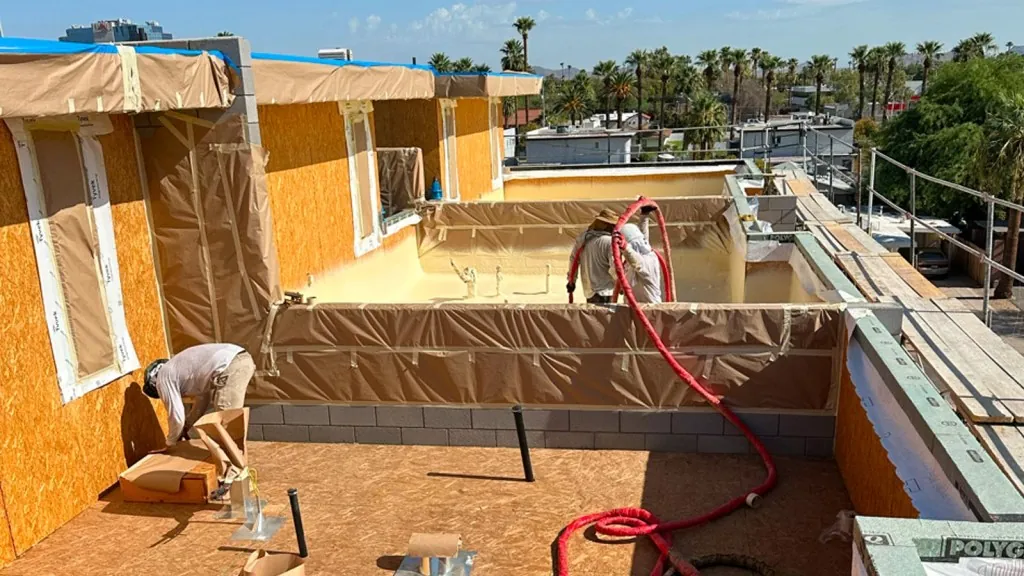
Buying or renting tools
Specialized roofing equipment costs a lot upfront – something many homeowners don’t think about. Professional roofers already own these tools, but DIYers need to spend big on:
- Roofing nail gun: $100-$300 to purchase or $40-$70 per day to rent
- Extension ladder: $150-$300
- Safety harness and gear: $100-$300
- Roofing shovel for tear-off: $50-$100
- Air compressor and hoses: Additional rental fees
Tool expenses usually run between $300-$800. Specialized equipment like pneumatic nail guns, safety harnesses, and material hoists can cost $1,500-$3,000 for a typical project. This is a big deal as it means that your predicted savings start disappearing right away.
Wasted materials from trial and error
Lack of experience leads to wasted materials – a cost that professionals know how to avoid. Professional roofers order materials precisely based on experience and add just 10-15% for waste. DIY installers often make mistakes that lead to:
- Multiple supply runs and extra delivery charges
- Higher prices for small quantities
- Material waste that increases costs by 25-40% above original estimates
Without doubt, getting the material quantities wrong creates money problems. DIYers often face either running out of materials mid-project or throwing away expensive excess materials.
Insurance and warranty voids
Insurance and warranty implications create the biggest hidden financial risk. Most roofing materials come with 20-50 year warranties that don’t work with DIY installation. Homeowner’s insurance policies also have specific rules about roof repairs:
- DIY work can void parts of your coverage
- Companies might reject claims for water damage from poor installation
- Insurance providers may refuse to cover homes with DIY roofing
- You become liable for damage to neighboring properties
Professional installation warranties cover both materials and workmanship for 5-15 years. You lose this protection with DIY installation.
Unexpected repair costs later
The long-term money impact hits hardest. Studies show that properly installed roofs last 15-25% longer than DIY installations. This means thousands in replacement costs you could avoid. Other delayed expenses pop up from:
- Hidden damage from trapped moisture
- Leaks caused by wrong flashing or shingle installation
- Structural issue fixes ranging from $200 to $2,000
- Need for complete roof replacement years too early
Many DIY roofing projects end up needing professional help to fix mistakes. You pay twice for the same job.
The financial benefits of DIY roofing usually vanish once you add up these hidden costs. Tool expenses, wasted materials, lost warranties, and future repairs often cost more than the labor savings that made DIY look good at first.
What You Gain by Hiring a Roofing Professional
Professional roofers bring expertise that goes way beyond simple installation skills. You should think over the challenges of DIY projects to understand what qualified roofers offer from a different viewpoint. Let’s look at what makes professionals different from do-it-yourself approaches.
Certified workmanship
Professional roofing contractors go through strict certification processes that confirm their expertise. Manufacturer certifications require contractors to show proper insurance, licensing, product knowledge, and performance evaluations. These certifications need annual reviews based on inspection ratings, claim history, responsiveness, and local market reputation.
Certified professionals receive specialized training through apprenticeship programs, hands-on workshops, and education in the latest roofing technologies and materials. Their training delivers consistent quality across all installations with standardized procedures that DIY projects can’t match.
Proper safety protocols
Professional roofers use detailed safety measures that protect workers and homeowners alike. Roofing companies invest heavily in their teams’ safety education before anyone steps on a roof. The training covers OSHA standards, fall prevention techniques, and proper use of personal protective equipment.
Safety harnesses, anchor points, guardrails, and roof brackets work together to keep workers safe and prevent falls—the number one cause of construction fatalities. Professional teams conduct full site assessments before starting work and spot potential hazards that untrained eyes might miss.
Efficient project management
Professional roof installation follows a well-laid-out timeline with careful planning. Project managers make sure each phase finishes on time, within budget, and meets high standards. They provide accurate cost estimates, realistic timelines, and detailed work scopes.
Quality control stays at the heart of professional project management. Regular inspections throughout the project ensure work stays on track. Teams also plan ahead for potential risks—from sudden weather changes to delivery delays—and develop backup plans.
Access to high-quality materials
Certified contractors build strong relationships with manufacturers. These connections often lead to better prices on premium materials than what homeowners can find on their own. Their status as authorized installers gives them access to specialized products not found in retail hardware stores.
Professional roofers know which materials work best for specific climate conditions and architectural styles. This knowledge ensures optimal roof protection. Their expertise in choosing the right materials helps your roof last longer.
Post-installation support and warranties
The warranty protection from professional installation offers great peace of mind. Professional workmanship warranties typically cover:
- Labor and materials for repairs if installation issues emerge
- Protection against interior damage from roof-related water intrusion
- Coverage periods ranging from 5-15 years on workmanship
DIY installation voids many manufacturer warranties. Professional contractors, however, can offer extended warranties that cover both materials and workmanship for up to 50 years. These protections safeguard your investment much better than any initial DIY cost savings.
Making the Smart Choice for Your Home
The choice between DIY and professional roof work needs a good look at your situation. Let’s get into the practical aspects that will help make this significant choice.
When DIY might be okay
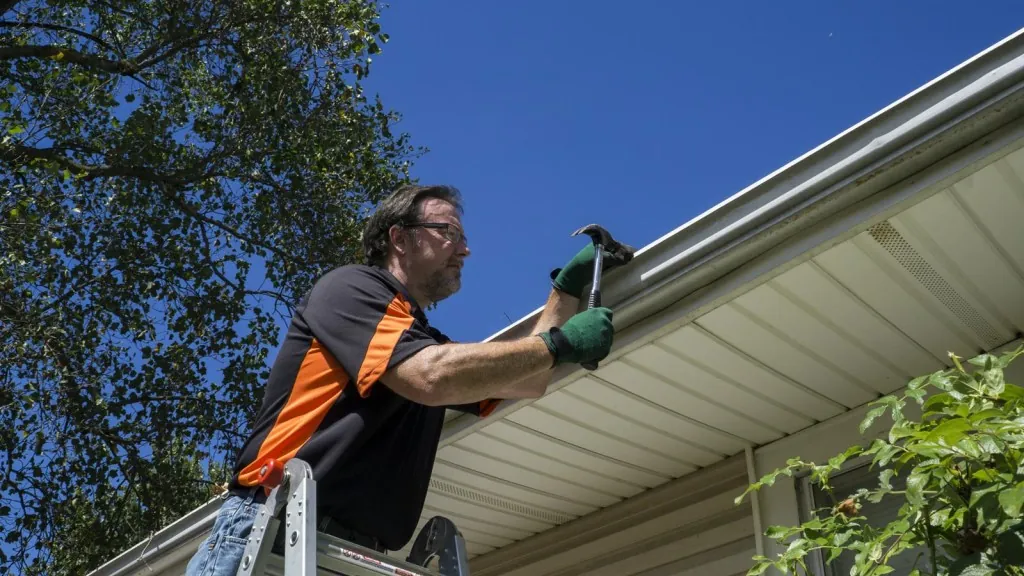
Small repairs like replacing a damaged shingle or cleaning gutters could work for homeowners with simple skills. These maintenance tasks usually don’t need special equipment or expertise. These tasks still need proper safety measures and some basic knowledge.
When to absolutely call a pro
Some situations need professional help right away. Roofs near their 20-25 year mark usually need full replacement instead of quick fixes. A spongy feeling when you walk on the roof signals the need for expert help. Bad weather damage needs quick professional attention to stop things from getting worse.
Questions to ask before deciding
Think about these points:
- What’s my roof’s age and shape?
- Do I have the right safety gear and know-how?
- Will fixing it myself void my roof’s warranty or insurance?
- Does this work need a building permit?
How to find a reliable roofing contractor
You can find good professionals by:
- Getting recommendations from friends and neighbors
- Making sure they have proper licenses and insurance
- Looking for local businesses rather than out-of-town companies
- Getting written estimates and contracts
- Staying away from door-to-door salespeople, especially after storms
Taking time to check potential contractors will protect your investment and give quality results.
Conclusion
DIY roof replacement might save you money upfront, but the reality tells a different story. This article explores both sides of this crucial decision. Without doubt, saving on labor costs looks attractive when you compare a $2,000-$6,000 DIY project to a $10,000-$12,000 professional job.
The hidden dangers are too serious to ignore. Falls pose a major risk even to experienced workers, not to mention homeowners who lack proper training. It also happens that poor installation traps moisture, weakens structure, and cuts your roof’s lifespan substantially. Weather issues make these problems worse and could leave your house exposed during lengthy projects.
Money matters become clearer once you look at overlooked costs. You’ll need to invest in specialized tools. DIY projects waste 25-40% more materials than professional work. The biggest risk lies in voiding manufacturer warranties and affecting insurance coverage, which leaves your home unprotected against future issues.
Professional roofers offer exceptional value through certified expertise, detailed safety protocols, and quick project management. Their premium materials and warranty coverage give you peace of mind that DIY work can’t match.
Take time to evaluate your situation before grabbing that ladder. Small repairs might work for skilled homeowners with safety gear, but full replacements and structural problems need professional help. Your roof shields everything you value – family, belongings, and investment. The smartest choice is to trust this vital work to qualified experts who will keep your home safe for years.
Key Takeaways
While DIY roof replacement may seem like a money-saving opportunity, the hidden dangers and costs often outweigh the initial savings. Here are the critical insights every homeowner should consider:
• Safety risks are severe: Falls cause over half of construction fatalities, and even single-story falls can result in traumatic brain injuries, fractures, or paralysis for untrained homeowners.
• Hidden costs eliminate savings: Tool rentals ($300-800), material waste (25-40% more than estimates), and voided warranties often make DIY more expensive than professional installation.
• DIY work voids critical protections: Most manufacturer warranties (20-50 years) become invalid with DIY installation, and insurance may deny claims for water damage from improper work.
• Professional installation lasts longer: Properly installed roofs last 15-25% longer than DIY installations, potentially saving thousands in premature replacement costs.
• Complex projects require expertise: Complete roof replacements, structural issues, and severe weather damage always demand professional intervention for safety and proper execution.
The bottom line: What starts as a $5,000-9,500 labor savings can quickly become a costly mistake when factoring in safety risks, material waste, voided warranties, and future repair needs. Professional roofers provide certified workmanship, comprehensive warranties, and peace of mind that protect your home’s most critical barrier against the elements.
FAQs
Q1. How much can I really save by doing a DIY roof replacement? While DIY roof replacement may seem cheaper initially, costing between $2,000 and $6,000 for materials and tools compared to $10,000 to $12,000 for professional services, hidden costs often eliminate these savings. Expenses like tool rentals, material waste, and potential future repairs can make DIY more expensive in the long run.
Q2. What are the main risks of attempting a DIY roof replacement? The primary risks include severe injury from falls, which are the leading cause of construction fatalities. Additionally, improper installation can lead to structural damage, trapped moisture, and a significantly shortened roof lifespan. Weather complications can also leave your home exposed during extended project timelines.
Q3. Will DIY roof work affect my home insurance or roof warranty? Yes, DIY roof work typically voids manufacturer warranties that usually cover 20-50 years. It may also affect your home insurance, potentially leading to denied claims for water damage resulting from improper installation. Some insurance companies may even refuse to insure homes with DIY roofing.
Q4. When is it absolutely necessary to hire a professional roofer? Professional roofers are essential for complete roof replacements, especially for roofs approaching their 20-25 year lifespan. They’re also crucial when there are signs of structural issues, such as a spongy feel when walking on the roof, or after severe weather damage that requires immediate expert attention.
Q5. What benefits do professional roofers offer over DIY installation? Professional roofers provide certified workmanship, implement proper safety protocols, and offer efficient project management. They have access to high-quality materials often at better prices and can provide comprehensive warranties covering both materials and workmanship for up to 50 years, offering long-term protection for your investment.
Get a free roofing checkup.
A licensed KY-KO roofer inspects your roof, documents anything the desert threw at it, and gives you a straight answer — repair, recoat, or replace.