5 Ways to Make Your Roof Last Longer


Your roof does more than keep out rain—it protects your home’s structure, insulation, air quality, and energy efficiency. In the desert Southwest area, it also battles extreme UV, thermal expansion, dust, and sudden monsoon downpours. That mix of stressors can age materials quickly if you don’t stay ahead of maintenance. The good news: most roof problems start small and are inexpensive to address when caught early. This list gives you five practical actions that any homeowner can put on a calendar and actually complete. You’ll learn when to schedule professional checkups, how to keep water moving away from your home, smart ways to combat heat, and the right way to manage debris, trees, and foot traffic. You’ll also see why fast, compatible repairs protect warranties and prevent minor issues from becoming major leaks. We’ve added a desert Southwest-specific annual care calendar and a focused FAQ so you can quickly find answers and take action. Ready to reduce headaches, improve comfort, and stretch every dollar you invested in your roof? Start with these five steps and you’ll be well on your way to maximizing roof lifespan without overcomplicating your routine.

1) Book Seasonal Professional Inspections
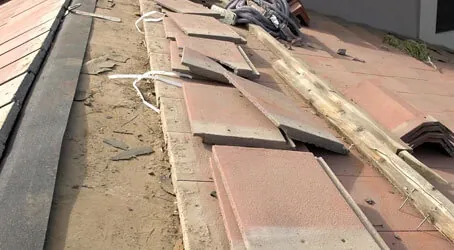
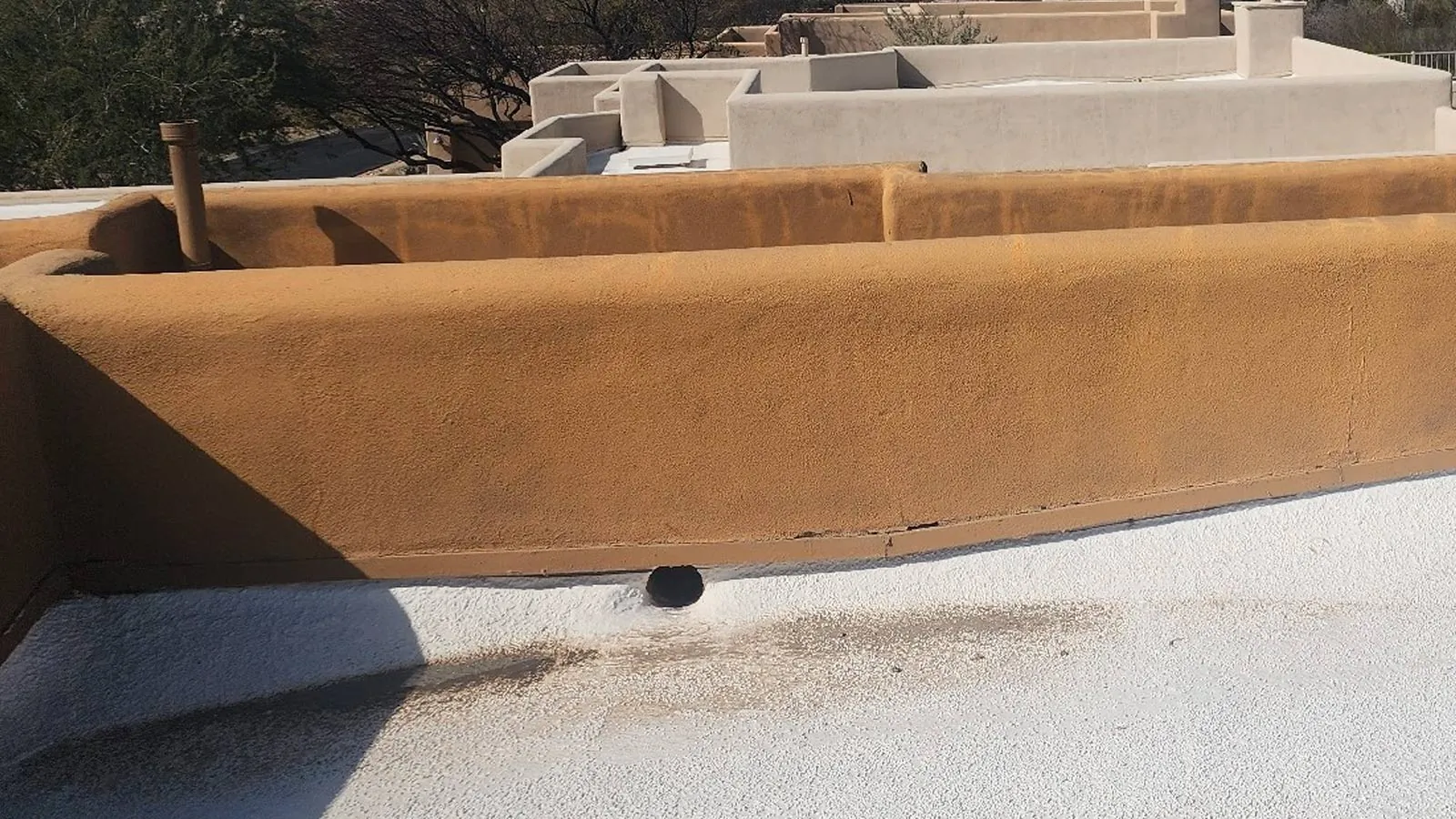
Schedule roof inspections twice a year—once ahead of monsoon season and once before the cooler months settle in. These checkups are short, inexpensive, and remarkably effective at catching small issues when they cost the least to fix. A trained technician will examine flashings at penetrations (vents, skylights, pipes), look for cracked or displaced tiles or shingles, check underlayment exposure, evaluate sealants, review parapet walls and scuppers on flat roofs, and scan for ponding or soft spots that indicate moisture intrusion. On shingle roofs, they’ll note granule loss, lifted tabs, nail pops, and ridge conditions; on tile systems, they’ll verify that broken tiles aren’t leaving underlayment vulnerable; on flat roofs, they’ll test seams, transitions, and terminations. Pros also look for UV damage, prior patch failures, animal activity, and storm debris. Each finding is mapped to a recommended fix, prioritized by urgency. That punch list becomes your action plan.
What you gain from semiannual inspections is predictability. Instead of reacting to leaks during a storm, you’ll proactively address weak points during good weather. You’ll also gather documentation—photos and notes—useful for warranty claims, real-estate transactions, or insurance conversations after a hail or wind event. If you’ve recently replaced your roof, these inspections help maintain eligibility under manufacturer and workmanship warranties, which often require proof of routine maintenance. Partnering with a reputable, licensed contractor like KY-KO Roofing ensures consistency year after year, so your home remains protected while surprises—and emergency costs—shrink.

2) Keep Water Moving and Away from Your Home
In desert storms, rain arrives fast and heavy. Your best defense is unimpeded drainage. Clean gutters and downspouts before monsoon season, and check them again after big wind events that drop leaves and needles. Confirm downspouts discharge at least four to six feet away from your foundation using extensions or splash blocks; improve grading so water flows outward, not toward the house. On tile and shingle roofs, keep valleys free of debris that can dam water and push it sideways under the roofing material. On flat or low-slope systems, confirm that scuppers, drains, and saddles are open and that water isn’t ponding for more than 24–48 hours after a storm. Persistent ponding accelerates membrane aging and often telegraphs deck deflection below; your roofer can add tapered insulation, adjust crickets, or improve scupper placement to restore positive slope.
Pay special attention to transitions, where most leaks begin: the intersection of roof and wall, around skylights, chimneys, HVAC curbs, and plumbing penetrations. These areas rely on properly layered flashing and sealant. Sealants are sacrificial—sun and movement break them down—so they must be renewed periodically. Use compatible products recommended by your roofer to avoid chemical reactions that weaken the bond. Finally, consider rain chains or leaf guards if trees are nearby, and install cleanouts on long gutter runs for easier maintenance. When water has a clear, swift path off your roof and away from your foundation, you reduce seepage risks, protect stucco and fascia, and extend the service life of every component tied to your roof’s performance.

3) Control Heat with Ventilation and Insulation
No element ages a roof in the desert faster than heat. Proper attic ventilation lowers surface temperatures, reduces expansion and contraction cycles, and helps HVAC systems work less. Aim for balanced intake and exhaust: cool air enters through soffit vents and exits through ridge or mechanical vents. Without adequate intake, exhaust vents can pull conditioned air from your home, wasting energy. Baffles keep insulation from blocking airflow at the eaves and help channel air up the roof deck. Combine this with appropriately rated attic insulation to stabilize indoor temperatures and reduce hot spots that stress materials. On flat commercial-style roofs, well-placed vents and reflective surfaces keep the membrane cooler and more resilient over time.
Consider reflective shingles, tile underlayments with high thermal performance, or coatings designed to increase reflectivity on suitable flat membranes. Radiant barriers, while not a cure-all, can be part of a holistic approach when installed correctly. Your roofer can also evaluate heat-related symptoms: brittle sealants, curl on shingle edges, cracked mastics, or “alligatoring” on aged coatings. Addressing these signs early often prevents widespread failures. Thoughtful ventilation, insulation, and reflectivity create a cooler roof assembly, ease utility bills, and—importantly—support a longer roof lifespan by shielding materials from relentless thermal stress.

4) Manage Trees, Debris, and Rooftop Traffic
Shade is welcome, but overhanging limbs are tough on roofs. Wind-whipped branches abrade surfaces, knock tiles or shingles loose, and constantly load gutters with organic debris. Trim trees so branches are well clear of the roof plane, and schedule seasonal cleanups after major wind events. Debris piles trap moisture, slow drainage, and invite insects or birds to nest in sheltered corners—especially at valleys and behind chimneys or parapets. On flat roofs, debris mats can glue themselves to coatings and membranes, making removal riskier and increasing the chance of surface damage. Regular light cleaning with the right tools is far cheaper than repairing punctures or re-sealing torn laps later.
Control rooftop traffic. Many leaks originate after a non-roofing trade walks a system during HVAC or satellite work. Limit access to a single, supervised point; on flat roofs, install walk pads to protect high-traffic paths from compression and scuffs. Require trades to use proper footwear and to avoid dragging tools or placing sharp edges on the surface. If anyone moves tiles or disturbs shingles to gain access, ensure a roofer resets everything before the next storm. Document visits—date, purpose, and areas accessed—so you can connect the dots when an issue appears near a service location. Establish these simple rules and you’ll dramatically cut avoidable damage, reduce gutter clogs, and keep protective layers intact through wind and dust season after season.
5) Fix Small Problems Fast—with the Right Materials
Most roof failures begin as tiny gaps, loose flashings, hairline cracks, or a few displaced tiles. Time and weather turn small openings into leaks. The key is speed and compatibility. As soon as an inspection flags an issue, authorize the repair—don’t let it ride until the next storm. Your roofer will match materials to your system: shingle type and color, tile profiles, underlayment class, membrane chemistry, and correct primers or mastics. Using mismatched products can void warranties or create weak spots that age differently and fail early. For example, certain solvents attack specific membranes, and some sealants won’t adhere to dusty or chalky surfaces without prep.
Equally important is documentation. Before/after photos, product labels, and a short service description create a maintenance record you can hand to an insurer, buyer, or manufacturer if you ever need support. If your roof is under warranty, coordinate repairs through the contractor who installed it or through a licensed company familiar with your system, such as KY-KO Roofing. They’ll protect your coverage and ensure the fix is performed to spec. When repairs are quick, precise, and recorded, small defects don’t multiply, interior finishes stay dry, and the overall system lasts longer—saving you money and stress in the long run.
Roof Longevity FAQs
How often should I schedule a professional roof inspection? Twice a year: once before monsoon season and once before cooler months. Add an extra check after major wind or hail events.
What signs tell me my roof needs attention now? Stains on ceilings, musty odors, granules in gutters, cracked or missing tiles/shingles, lifted flashings, ponding water, or interior drywall bubbling.
Do gutters matter in the desert? Absolutely. Sudden downpours can overwhelm drainage. Clean gutters and direct downspouts several feet away to protect stucco, fascia, and foundations.
Will improved ventilation really help? Yes. Balanced intake and exhaust reduce attic heat, limiting material fatigue and lowering energy bills. It also helps keep insulation dry and effective.
Can I walk on my roof? Minimize it. Use safe access and avoid fragile tiles or hot membranes. On flats, add walk pads and restrict traffic to service pathways.
What maintenance protects my warranty? Documented semiannual inspections, timely repairs using approved materials, and records of any storm events or contractor visits support warranty claims.
When should I replace rather than repair? When widespread damage exists, underlayment is failing in many areas, or recurring leaks return despite targeted fixes, a replacement may be more economical long-term.
Who should I call in Phoenix? Choose a licensed, insured roofer with local experience and strong reviews, like KY-KO Roofing, for inspections, maintenance, and repairs.
Your Annual Roof Care Calendar (Desert Southwest Edition)
January–February: Winter is mild—perfect for a visual check from the ground. Look for displaced tiles, missing shingles, or staining at eaves. Inside the attic, scan for daylight at penetrations and feel for damp insulation. Note anything suspicious for your roofer to review.
March–April: Book your spring inspection. Clear gutters and downspouts; test drainage with a hose. Trim early growth away from the roof plane. Ask your roofer to assess ventilation balance, attic insulation levels, and any sealants nearing end of life.
May–June: Pre-monsoon prep. Remove accumulated debris from valleys, behind chimneys, and on flat surfaces. Confirm scuppers and drains are clear. Install or check downspout extensions so water moves well away from your foundation during sudden storms.
July–August: Monsoon watch. After big wind or dust events, do a quick ground scan. If you notice new stains indoors or hear dripping in soffits, call for a targeted check. Avoid rooftop trips during high heat to prevent surface damage.
September–October: Schedule your fall inspection. Address any heat-related wear—cracked mastics, shrunken sealants, or brittle edges. Plan small repairs now so your roof heads into winter tight and dry.
November–December: Clean gutters again after leaf drop. Review the year’s photos and invoices; keep them with your home records. If you’ve added solar, satellite, or HVAC work, verify penetrations were flashed and sealed by a roofer.
This simple calendar keeps you proactive without consuming your weekends. By aligning tasks with desert Southwest weather patterns, you prevent surprise leaks, keep energy bills steadier, and add years to your system through steady, modest care that compounds over time.

Conclusion
Your roof’s longevity isn’t luck—it’s the sum of consistent habits. Semiannual professional inspections deliver early warnings; clear drainage gives storms nowhere to exploit; ventilation and insulation tame the heat; tidy trees and controlled traffic avoid needless damage; and fast, compatible repairs stop small issues from spreading. Follow the annual calendar, keep photo records, and work with a licensed, local expert who knows how desert Southwest weather behaves. Those simple choices build resilience into your home, protect indoor comfort, and stretch your investment further.
When you’re ready for a reliable partner, schedule a checkup with KY-KO Roofing. With a clear plan and professional eyes on your system, you’ll feel confident before every storm and every summer. Put these five steps on your calendar and you’ll be set to maximize roof lifespan while minimizing stress, emergencies, and surprise costs year after year.
Get a free roofing checkup.
A licensed KY-KO roofer inspects your roof, documents anything the desert threw at it, and gives you a straight answer — repair, recoat, or replace.