5 Most Durable Commercial Flat Roofing Systems

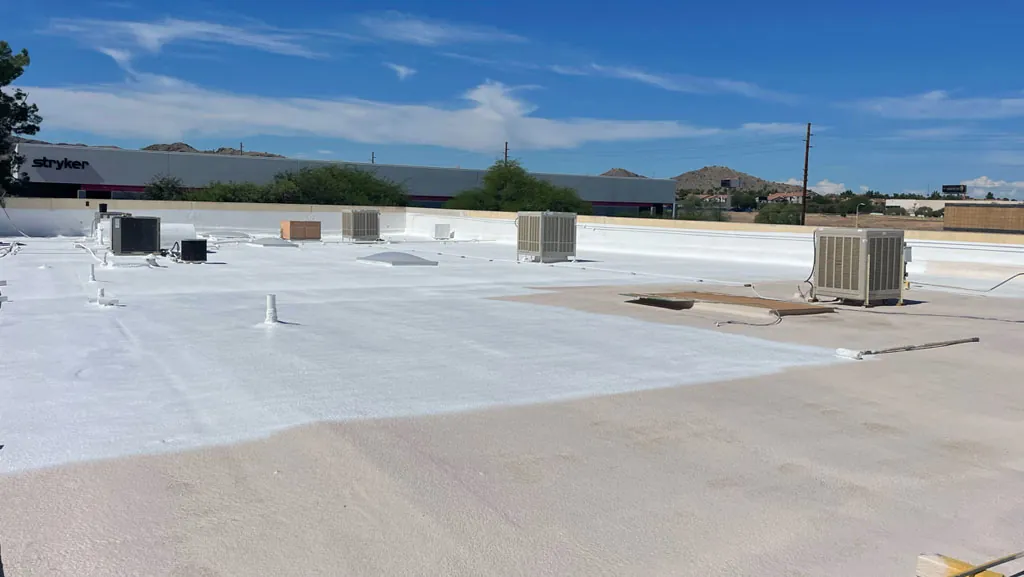
Commercial flat roofing systems have evolved significantly, with TPO capturing an impressive 40% share of new construction projects. My years of experience evaluating these systems shows that the right choice can mean the difference between endless repairs and decades of worry-free protection.
The 2015-2016 NRCA Market Survey reveals TPO’s market dominance, while EPDM holds 22% of new construction and maintains a strong 26% share in reroofing. Durability emerges as the most critical factor to consider. EPDM roofs demonstrate exceptional longevity, lasting 40-50 years on average. These systems protect commercial structures of all sizes effectively. PVC roofs’ excellent resistance to chemicals, grease, and punctures makes them a perfect fit for restaurants and industrial facilities.
This piece covers the five most durable commercial flat top roofing systems available today. You’ll learn how each option, from TPO’s exceptional flexibility to BUR’s layered protection against foot traffic, performs in real-life conditions. The information will help you make the best choice for your building’s specific needs in 2025.
EPDM Roofing System
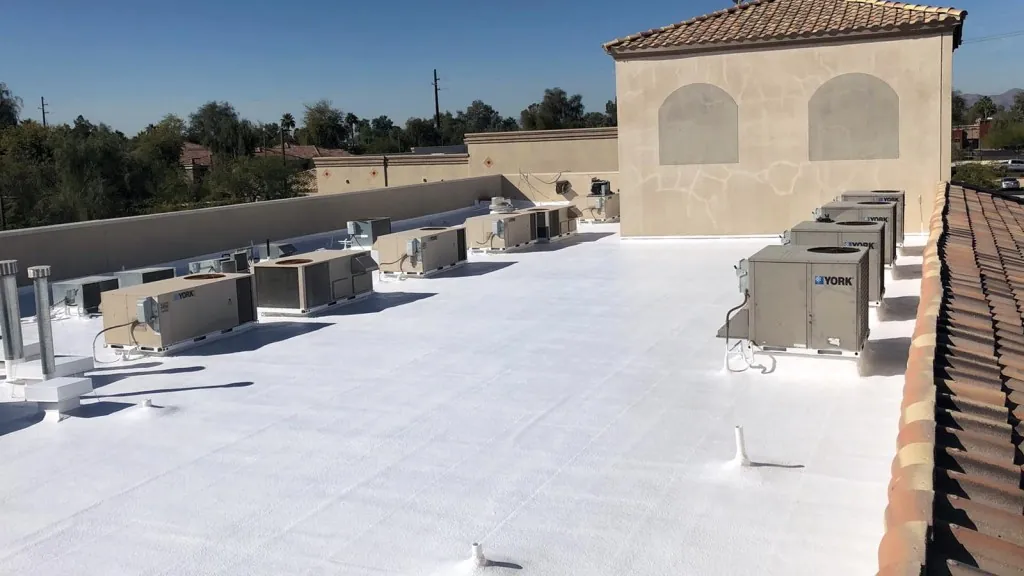
EPDM is one of the most reliable commercial flat roofing materials you’ll find. This synthetic rubber roofing system has protected buildings since the 1960s. My experience shows that EPDM (Ethylene Propylene Diene Monomer) delivers outstanding performance that makes it a go-to choice for many commercial applications.
EPDM key features
The main components of EPDM roofing are ethylene and propylene, which come from oil and natural gas. The rubber membrane’s cross-linked thermoset material structure gives it excellent dimensional stability, so it bounces back after temperature changes or severe weather. The material can stretch up to 300% in any direction and return to its original shape.
EPDM’s high carbon black content gives it remarkable UV resistance by turning UV rays into heat. Building owners looking to save energy in warmer areas can choose white EPDM options that use titanium dioxide instead of carbon black to reflect UV rays.
Commercial flat top roofing with EPDM comes in thicknesses from 45 to 90 mil (0.045 to 0.090 inches) and widths between 7.5 and 50 feet. High-quality EPDM manufacturing has improved by a lot, and some manufacturers now use extrusion instead of traditional calendering to create sheets with smoother surface finishes.
EPDM durability and lifespan
The most impressive thing about EPDM as a commercial industrial flat roofing option is how long it lasts. A well-installed and properly managed EPDM roofing system can serve you for 40-50 years or more. Some original installations from the 1960s still work well today.
EPDM’s toughness comes from its ability to resist environmental factors. The membrane stays flexible in temperatures from -49°F to 300°F without cracking or warping. This stability makes it perfect for areas that see big temperature swings.
The EPDM Roofing Association’s largest longitudinal study of 28-32 year old installations showed they still performed well. The material also resists ozone, UV radiation, and environmental stressors that usually break down roofing materials.
EPDM installation method
You can install EPDM roofing systems in three main ways:
- Ballasted Systems – These make up about 35% of EPDM installations. The method uses large membrane panels (up to 50 feet by 200 feet) laid loosely over insulation and secured with smooth river-washed stones or concrete pavers. These systems offer quick coverage at lower costs and have earned Underwriters Laboratories Class A rating.
- Mechanically Attached Systems – This lightweight option uses plates or batten strips to secure the membrane to the deck below. It works great for buildings of different sizes and shapes. The system anchors the EPDM through the membrane or within the side laps.
- Fully Adhered Systems – This premium approach bonds the entire EPDM membrane right to the substrate with special adhesives. Crews attach panels up to 30 feet by 100 feet to physically secured insulation. You’ll get an extremely secure roof system with excellent wind uplift resistance.
EPDM pros and cons
Pros:
- Lasts longer than other single-ply systems
- Handles weather, UV rays, ozone, and temperature extremes beautifully
- Resists fire and puts itself out
- You can recycle 100% of it
- Needs minimal upkeep
Cons:
- Mostly comes in black, which might not look great
- Sharp objects can puncture it more easily than some alternatives
- Can shrink up to 4% as time passes, which might cause membrane bridging
- Black surface soaks up heat, so cooling costs might rise in warm weather
EPDM best use cases
EPDM works great for large commercial buildings that face extreme weather conditions. Buildings in areas with harsh winters or big temperature swings benefit from its wide temperature tolerance. White EPDM options help buildings in warmer climates save energy.
The system excels in both new construction and roof replacement projects. Many regions now prefer fully adhered systems for roof replacements.
EPDM pricing
EPDM costs less than many other commercial flat roofing materials. The material itself runs about $0.80 per square foot, while complete EPDM roofing systems cost between $4.00 and $10.00 per square foot installed.
Your choice of installation method affects the total cost significantly. Ballasted systems usually cost the least to install. The American national average for rubber roofing installation runs about $7,500, but prices range from $6,000 to $18,000 depending on roof size and how complex the installation is.
These prices make EPDM much cheaper than asphaltic (multi-layer) commercial roofing systems like modified bitumen and built-up roofs, while staying competitive with other single-ply systems.
TPO Roofing System
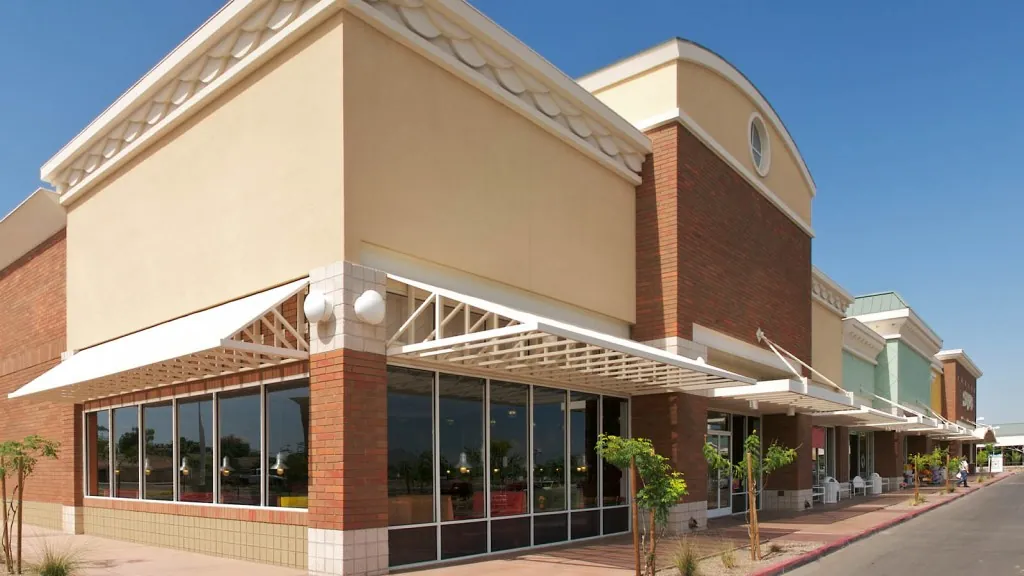
TPO (Thermoplastic Polyolefin) has become the top choice for commercial flat roofing in recent years. It now leads the market for new construction projects. I’ve seen this single-ply membrane transform the industry by combining great performance with good value.
TPO key features
A TPO roof has three layers: a TPO polymer base, a reinforced polyester scrim center that adds strength, and a thermoplastic polyolefin top layer. This design creates a tough yet flexible membrane. You can get it in different thicknesses – 45, 60, and 80-mil. Most projects use the 60-mil standard.
TPO stands out from other commercial flat roofing materials because of its white reflective surface. It achieves solar reflectance values of 0.79-0.87, which goes beyond Energy Star standards. Buildings stay cooler and can cut summer cooling costs by up to 35%. While TPO also comes in light gray and black, the white version gives you the best energy savings.
TPO is better for the environment since it doesn’t use plasticizers or chlorine. The material naturally fights off mold, dirt buildup, and harsh chemicals.
TPO durability and lifespan
A well-maintained TPO roof typically lasts 20-30 years. My work with many installations backs up this estimate. The actual lifespan depends on how well it’s installed, the local climate, and the material’s thickness.
TPO handles UV rays, ozone, and chemicals really well. The membrane flexes with building movement and temperature changes without breaking down. But very high temperatures can speed up aging – something to watch out for in southern regions.
TPO installation method
You can install commercial TPO flat roofing in three main ways:
- Mechanically attached – This budget-friendly method uses fasteners and plates to secure the membrane to the roof deck. It works great for modernizing existing roofs.
- Fully adhered – Bonding adhesive creates one solid surface between the membrane and substrate. This method works best in areas with high winds.
- Ballasted – River rock or pavers hold down the membrane. This setup makes sense for roofs that need regular maintenance access.
TPO’s heat-welded seams are a big plus. They create bonds testing over 100 pounds per inch – much stronger than adhesive-sealed systems at 20-40 pounds. These tough seams keep water out.
TPO pros and cons
Pros:
- Costs less than other single-ply membranes like PVC
- Saves energy with high solar reflectivity
- Resists chemicals and UV rays well
- Moves with the building without damage
- Creates waterproof seals through heat welding
Cons:
- New technology still getting updates to its formula
- May have issues in very hot climates
- Quality differs between makers
- Thicker doesn’t always mean better or more durable
TPO best use cases
TPO shines in specific commercial and industrial settings. Medical buildings benefit from its ability to resist chemical exhaust from roof equipment. Its smooth surface also prevents biological growth. Warehouses and factories value TPO’s toughness against foot traffic and equipment.
Buildings in warm areas get the most from TPO’s reflective properties. This makes it perfect for cutting cooling costs, especially in the southern and southwestern U.S..
TPO pricing
A professional TPO system in 2025 will cost between $6.00-$9.00 per square foot. This includes insulation upgrades and standard warranties. Homeowners can expect to pay $6.50-$11.50 per square foot installed.
Your final price depends on:
- How thick the membrane is (45, 60, or 80-mil)
- Installation method (mechanical attachment costs least)
- Your roof’s size and complexity (bigger roofs cost less per square foot)
- Local labor rates
- Warranty needs
A typical 20,000 square foot commercial project runs between $120,000.00-$180,000.00. Premium warranties, thicker membranes, or lots of roof penetrations can bump up costs by 15-25%.
PVC Roofing System
Image Source:WNC Roofing
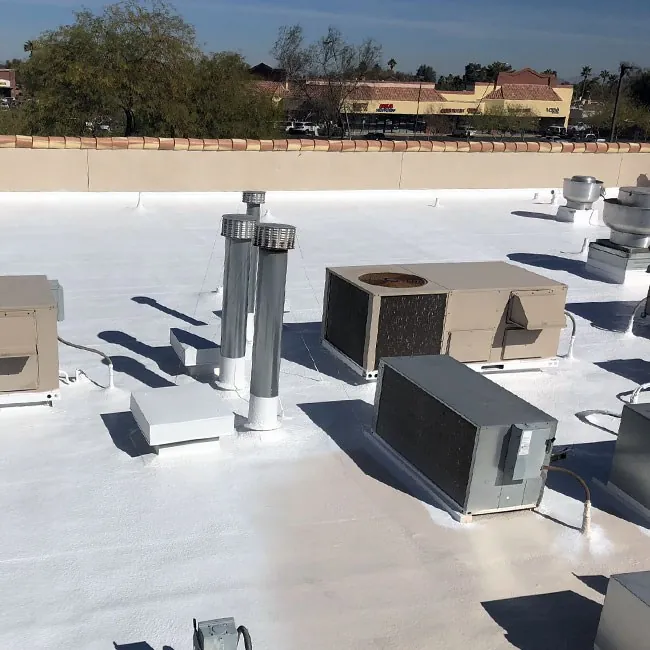
PVC (Polyvinyl Chloride) roofing has proven itself as a top commercial flat roofing choice over the last 60 years, showing excellent performance in tough environments. This single-ply membrane really stands out because of its amazing durability and chemical resistance. Buildings with specific performance needs often benefit from this roofing solution.
PVC key features
PVC roofing has three distinct layers: a top performance layer facing the elements, a reinforcement scrim that adds strength, and a base layer. The top layer protects against weather, pollution, UV radiation, and foot traffic. Premium PVC systems like Duro-Last offer the market’s thickest performance layer, which makes them incredibly durable.
The middle reinforcement scrim gives vital strength and stability. High-quality PVC membranes use dense thread counts—some reaching 18×14 threads per inch—to improve tensile strength and overall performance. This reinforcement helps PVC achieve breaking strengths of 350 pounds per square inch, which is a big deal as it means that it surpasses the ASTM minimum requirement of 200 pounds per square inch.
Commercial flat roofing materials usually contain plasticizers, and PVC is no different. These additives make what would be a rigid material more flexible and pliable. This chemical makeup gives PVC roofing the perfect mix of strength, flexibility, and protection against environmental stresses.
PVC durability and lifespan
PVC shows remarkable longevity compared to other commercial flat roofing types. A well-installed and maintained PVC roof usually lasts 20-30 years. Some high-performance systems can even reach 35-40 years under the right conditions.
This commercial industrial flat roofing option works great in tough weather, from high winds to heavy rain and extreme temperatures. The membrane flexes with building movement and temperature changes without losing its strength.
The material resists UV rays well and keeps its properties even after years in the sun. PVC’s natural fire resistance and self-extinguishing features add extra safety to commercial buildings.
PVC installation method
You can install PVC commercial flat top roofing in three main ways:
- Mechanically Attached Systems – The PVC membrane attaches to the roof deck with special fasteners and plates. This light option works great for buildings of all sizes.
- Fully Adhered Systems – Commercial-grade adhesives bond the entire PVC membrane to the substrate. This premium method gives the best wind uplift resistance.
- Induction Welded Systems – This innovative approach uses induction welding to attach the membrane to specially coated plates on the roof deck. You get benefits from both mechanically attached and adhered systems.
Hot-air welding for seam joining gives PVC a real advantage. These heat-welded seams create stronger, watertight bonds than adhesive or tape-sealed systems and resist separation better over time.
PVC pros and cons
Pros:
- Better puncture and tear resistance than many alternatives
- Great chemical resistance, perfect for industrial settings
- Fire-resistant and self-extinguishing
- Energy-efficient reflective surface cuts cooling costs
- Factory-made options with fewer seams reduce leak risks
Cons:
- Costs more upfront than some other systems
- Needs separator sheets to work with asphalt products
- Gets more brittle and needs more care after 10+ years
- Might struggle in very cold climates
PVC best use cases
PVC roofing shines in commercial and industrial settings, especially where chemical resistance matters. Restaurants, manufacturing facilities, and buildings with chemical-emitting rooftop equipment benefit from PVC’s ability to handle chemicals, industrial pollutants, and animal fats.
Large, low-slope commercial roofs that need long-term protection are perfect for this strong, durable system. The energy-efficient properties make it great for buildings looking to reduce cooling costs, with many options meeting Energy Star and Cool Roof Rating Council standards.
PVC pricing
PVC roofing sits at a higher price point among single-ply membrane systems, but its performance often justifies the cost for many building owners. A complete PVC roofing system usually costs between $4.00 and $10.00 per square foot installed.
The final price depends on membrane thickness (40 to 90 mil), installation method, roof complexity, and warranty needs. The core team often finds that PVC’s durability and low maintenance needs make it worth the investment over time.
Modified Bitumen Roofing System
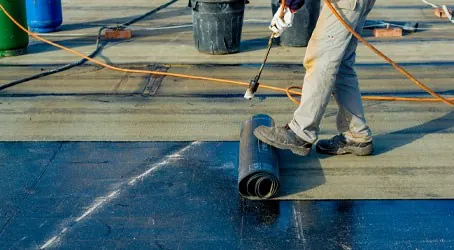
Modified Bitumen has come a long way from traditional built-up roofing and is now a go-to choice for commercial flat roofing materials. After reviewing many installations myself, I’ve seen this asphalt-based system deliver great results in a variety of commercial applications.
Modified Bitumen key features
Modified Bitumen roofing combines asphalt with polymers to boost flexibility, durability, and weather resistance. The system has a multi-layer structure with a base sheet (made from fiberglass or polyester), a modified bitumen layer, and a protective cap sheet that reflects sunlight.
Two main types lead the market: APP (Atactic Polypropylene) and SBS (Styrene Butadiene Styrene). APP modified bitumen handles heat better, making it perfect for areas with high temperatures and lots of sun exposure. SBS, on the other hand, bends more easily and works better in places with hail or cold weather that goes through freeze-thaw cycles.
This commercial flat top roofing option uses multiple layers—usually two or more—to create a system about 240 mils thick. This is a big deal as it means that it offers more protection than typical single-ply roofing membranes, which are only around 60 mils thick.
Modified Bitumen durability and lifespan
A well-installed and maintained modified bitumen commercial flat roof can last 20-30 years. The material stands up well to tough weather conditions, including intense sunlight, heavy rainfall, and freezing temperatures.
This versatile commercial flat roofing system keeps its high tensile strength throughout its life and protects against punctures and tears from storm damage, wind-driven debris, and foot traffic. The roof’s lifespan depends on environmental factors, installation quality, and how well it’s maintained.
Modified Bitumen installation method
You can install modified bitumen systems in several ways:
- Torch-down method – Most roofers heat the underside of the membrane with a propane torch to create a secure bond. This method gives consistent results but needs special skills and safety measures because it uses open flames.
- Self-adhesive application – Peel-and-stick modified bitumen is easier to install and doesn’t need open flames, making it safer for certain buildings.
- Cold adhesive application – Adhesives join the membrane to the substrate without heat, which works well for buildings that don’t allow flames.
- Mechanical fastening – Roofers use screws and plates to secure the membrane, which adds stability in windy areas.
- Hot asphalt application – This classic method creates very strong bonds and works well for bigger commercial projects.
Modified Bitumen pros and cons
Pros:
- Easy to install with simple techniques
- Bends and stretches well in cold weather
- Great waterproofing, especially with multiple layers
- Handles foot traffic well
- Needs little maintenance
Cons:
- Torch-down installation can be risky due to fire hazards
- Dark colors might make cooling costs higher
- Standing water can cause damage
- Seams need proper bonding to stop leaks
- Other roofing materials last longer
Modified Bitumen best use cases
Modified bitumen works great on commercial industrial flat roofs that get lots of foot traffic. Its layers hold up well when maintenance crews and service technicians need to work on rooftop equipment.
The system works well in tight spaces where other roofing materials might be hard to install. The narrower rolls (usually 36-39 inches wide) are easier to handle than wider single-ply membranes. This makes them perfect for balconies, city buildings with limited access, or buildings with complex roof designs.
Modified Bitumen pricing
Today’s modified bitumen roofing systems cost between USD 4.00 and USD 9.00 per square foot installed. The price depends on several things:
- How it’s installed (torch-down, self-adhesive, etc.)
- Number of layers (two-ply versus three-ply systems)
- Type of polymer (SBS costs USD 3.00-USD 6.00 per square foot while APP costs USD 5.00-USD 7.00 per square foot)
- Local labor rates
- How complex the roof is, including drains and other features
Each roll of material costs between USD 150.00 and USD 560.00 and covers about 100 square feet. You might also need to pay for old roof removal (USD 1.00-USD 1.30 per square foot) and permits (USD 150.00-USD 500.00).
Built-Up Roofing (BUR) System
Built-Up Roofing (BUR) is the oldest and most traditional commercial flat roofing system. It has protected buildings for over a century. The name tells you exactly what it is – a seamless, multi-layered membrane created by stacking different components.
BUR key features
BUR systems get their strength from multiple layers working together. A typical setup layers bitumen (asphalt or tar) between reinforcing fabrics like fiberglass or organic felt. The process starts with a base sheet or insulation boards. More layers go on top, and everything gets covered with gravel or mineral granules for protection.
This layered design creates a tough, thick, seamless roof that resists damage really well. The total thickness can reach 240 mils – this is a big deal as it means that it’s four times thicker than typical 60-mil single-ply systems. This extra bulk makes it much harder to puncture and more durable against weather.
BUR durability and lifespan
A well-maintained BUR roof lasts 20-30 years. Some roofs can even make it to 50 years with careful attention. This impressive lifespan comes from having multiple waterproof layers that back each other up if one gets damaged.
The gravel top layer is a vital part of making these roofs last. It shields the layers underneath from UV rays and physical wear. BUR systems hold up especially well in colder places where UV exposure isn’t as intense.
BUR installation method
Contractors use two main approaches to install BUR commercial flat roofing:
Hot-applied method: The traditional way heats bitumen to 400°F before mopping it onto the roof deck. Workers embed reinforcing felts while the bitumen stays hot, which creates really strong bonds.
Cold-applied method: This newer approach uses cold adhesives instead of hot bitumen, making installation safer by avoiding open flames. Many projects now choose this option when fire safety is a top priority.
The core team needs expert knowledge to install either method because creating multiple perfectly bonded layers is complex.
BUR pros and cons
Pros:
- Multiple layers provide excellent waterproofing
- Stands up really well to foot traffic and physical damage
- Gravel top layer gives great fire protection
- Needs less maintenance than other options
- Surface layer blocks harmful UV rays
Cons:
- Heavy system (5-8 lbs per square foot) needs strong structural support
- Takes longer to install and needs lots of labor
- Hot installation can release dangerous fumes
- Finding leak sources can be tricky
- Doesn’t flex well in cold weather
BUR best use cases
BUR systems work great on commercial buildings that see lots of foot traffic, especially those needing frequent rooftop maintenance. These roofs really shine in tough environments where long-term stability matters most.
Large buildings with steady climate exposure make perfect candidates for this versatile roofing option. The same goes for buildings that need extra fire protection.
BUR pricing
Installing BUR commercial flat roofing costs between USD 4.00–14.00 per square foot. Most jobs fall between USD 6.00-10.00. These prices match up well with other multi-ply systems.
The final cost depends on several things: how many layers you need, what kind of top layer you choose (gravel or reflective coating), local labor costs, and how complex the roof is.
Comparison Table
Commercial Flat Roofing Systems Comparison
Conclusion
These five commercial flat roofing systems give you everything you need to make a smart choice for your building. EPDM’s impressive 40-50 year lifespan makes it the toughest option in extreme weather. TPO rules the market and with good reason too – it hits the sweet spot between cost and performance for many commercial projects.
PVC shines with its chemical resistance. This makes it perfect for restaurants and industrial buildings where harsh substances are common. Modified bitumen works best in cramped spaces and high-traffic areas. BUR’s multi-layer design has proven itself over time.
Your building’s specific needs should guide your decision. Local weather, budget limits, energy costs, and foot traffic are vital factors to consider. The expertise needed to install these systems varies by a lot, so working with qualified professionals will help your roof perform at its best.
The priciest option isn’t always right for you. Look for the right mix of upfront costs, lifespan, maintenance needs, and features that match your building’s requirements.
The commercial roofing world keeps changing, but these five systems have shown their worth in countless buildings. When you match each option’s strengths and limits to your needs, you’ll get decades of solid protection for your property.
Key Takeaways
Choosing the right commercial flat roofing system requires balancing durability, cost, and specific building needs to ensure decades of reliable protection.
• EPDM offers unmatched longevity – With 40-50 year lifespans and exceptional weather resistance, EPDM provides the best long-term value despite higher upfront costs.
• TPO dominates for good reason – Capturing 40% market share, TPO delivers cost-effective performance with energy-efficient reflective surfaces and strong heat-welded seams.
• Match system to application – PVC excels in chemical-heavy environments and Modified Bitumen handles foot traffic best.
• Installation quality determines performance – Professional expertise varies significantly between systems, making qualified contractor selection as critical as material choice for maximizing roof performance.
• Consider total cost of ownership – The most expensive option isn’t always best; factor in lifespan, maintenance requirements, and energy efficiency alongside initial investment for optimal value.
The key to successful commercial roofing lies in understanding that each system has specific strengths. Rather than seeking a one-size-fits-all solution, focus on matching your building’s unique requirements—climate conditions, budget constraints, expected traffic, and performance needs—with the roofing system that best addresses those factors.
FAQs
Q1. What is the most durable commercial flat roofing system? EPDM (Ethylene Propylene Diene Monomer) roofing is generally considered the most durable, with a typical lifespan of 40-50 years. It offers exceptional weather resistance and can withstand extreme temperature fluctuations.
Q2. How does TPO roofing compare to other flat roofing options? TPO (Thermoplastic Polyolefin) roofing is a popular choice due to its balance of cost-effectiveness and performance. It offers good energy efficiency with its reflective surface, strong heat-welded seams, and typically lasts 20-30 years.
Q3. Which flat roofing system is best for buildings with chemical exposure? PVC (Polyvinyl Chloride) roofing is ideal for buildings with chemical exposure, such as restaurants or industrial facilities. It offers superior chemical resistance and durability against punctures and tears.
Q4. How do installation methods affect the performance of flat roofing systems? Installation methods significantly impact roofing performance. For example, fully adhered systems often provide better wind uplift resistance, while mechanically attached systems can be more cost-effective. Professional installation is crucial for all systems to ensure proper sealing and longevity.
Get a free roofing checkup.
A licensed KY-KO roofer inspects your roof, documents anything the desert threw at it, and gives you a straight answer — repair, recoat, or replace.