How many times can I repair my flat roof before I need to replace it?

When it comes to roofing, there are a lot of choices to be made. One of the most important decisions is whether to replace or repair your roof. If you have a flat roof, this decision can be even more difficult, as there are pros and cons to both options. Ultimately, the best choice depends on the specific condition of your roof. If your roof is significantly damaged, it may be best to opt for replacement. However, if the damage is minor, repair may be the more cost-effective option. In either case, it’s important to consult with a qualified roofing contractor to get expert advice. With their help, you can make the best decision for your home or business.
Age of the roof
The age of the roof is the most important factor to consider. Roofing materials have different lifespans, but no roofing system lasts forever. For example, flat roofs made with EPDM (ethylene propylene diene monomer) usually last 20–25 years.
The lifespan of a roof depends on the quality of the materials used and how well the roof is maintained. Once a flat roof reaches the end of its lifespan, repairs can only extend its life for a few more years. If your flat roof is getting up there in age, it’s time to start thinking about a full replacement.
Signs That Your Flat Roof Is Nearing the End
Here are some key indicators that your aging flat roof may be due for replacement:
- Visible wear at seams: Separation or deterioration where membrane sheets meet can signal structural fatigue. Loose flashing: Metal flashing pulling away from edges or walls often means the roof system is no longer watertight. Faded or brittle surface: Prolonged sun exposure in desert climates can dry out roofing materials, making them fragile and less effective. Increased energy bills: Older roofs lose their insulating properties, forcing HVAC systems to work harder. Mold or mildew inside: Moisture from slow leaks may not be visible outside but often shows up as interior staining or musty odors.
When a Full Replacement Makes More Sense
Repairing an old roof can be cost-effective in the short term, but it’s often a temporary solution. Once a roof approaches the 20-year mark—or sooner if it has poor maintenance history—replacement may be the smarter choice financially and functionally.
A new roof provides peace of mind, improved energy efficiency, and a fresh warranty that protects your property for decades. If you’re unsure of your roof’s age or condition, a professional inspection can help you weigh your options between repair and replacement.
High energy bills
One of the major benefits of flat roofing materials is their ability to save energy. High-quality TPO, PVC, and EPDM roofing can go a long way in keeping heated or air-conditioned air inside the house, reducing your energy costs significantly. In addition, these roofs are also low-maintenance and durable, making them a wise investment for any homeowner.
If you’ve recently noticed a substantial hike in your gas or electric bills, and you can’t pin the increase on anything else, your roof may be to blame. A damaged or too-old flat roof will begin failing in its job of insulating the home. When this is the case, there may be one damaged area of the roof that can be repaired, or the entire roof may need to be replaced to improve its ability to insulate.
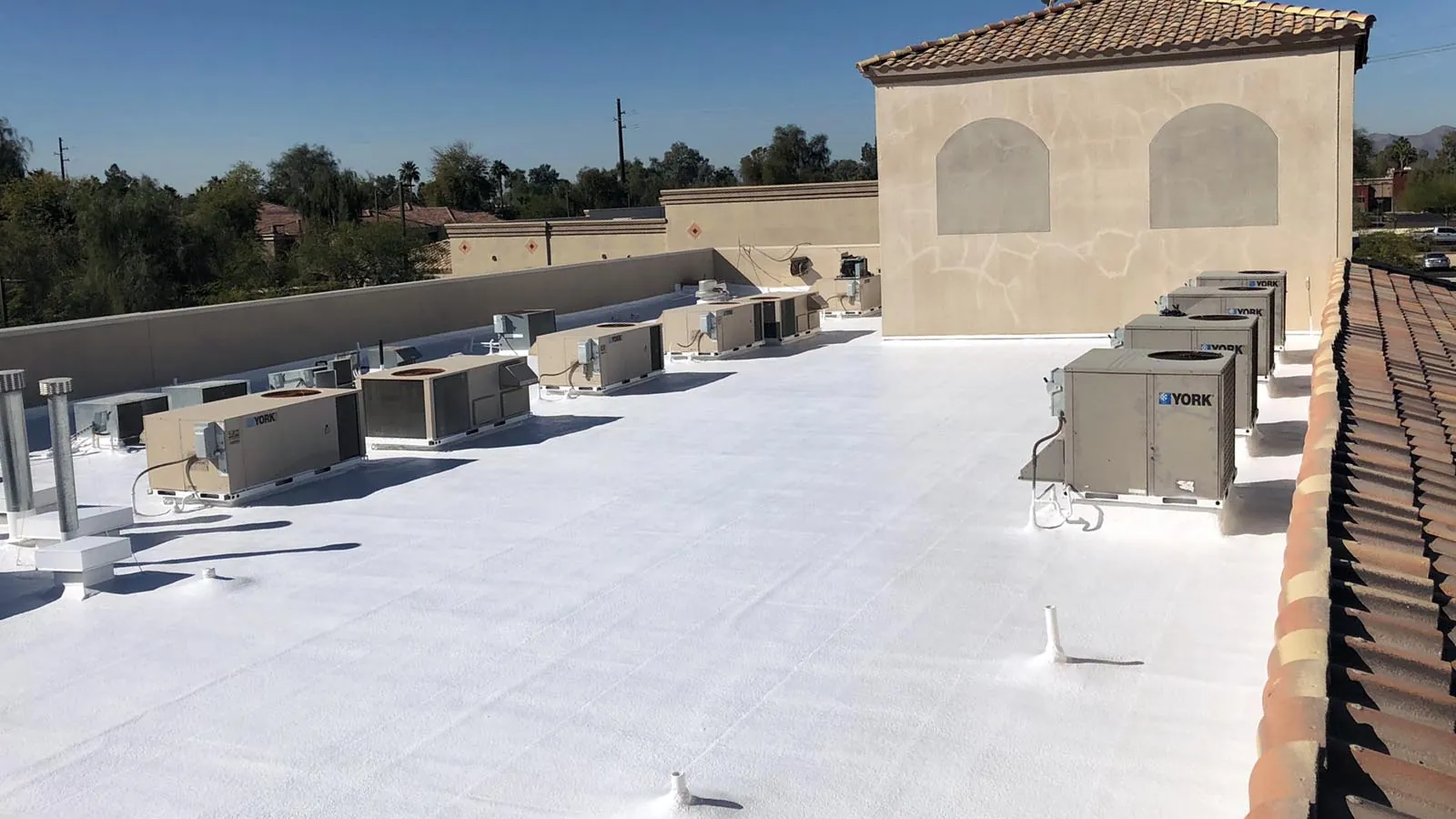
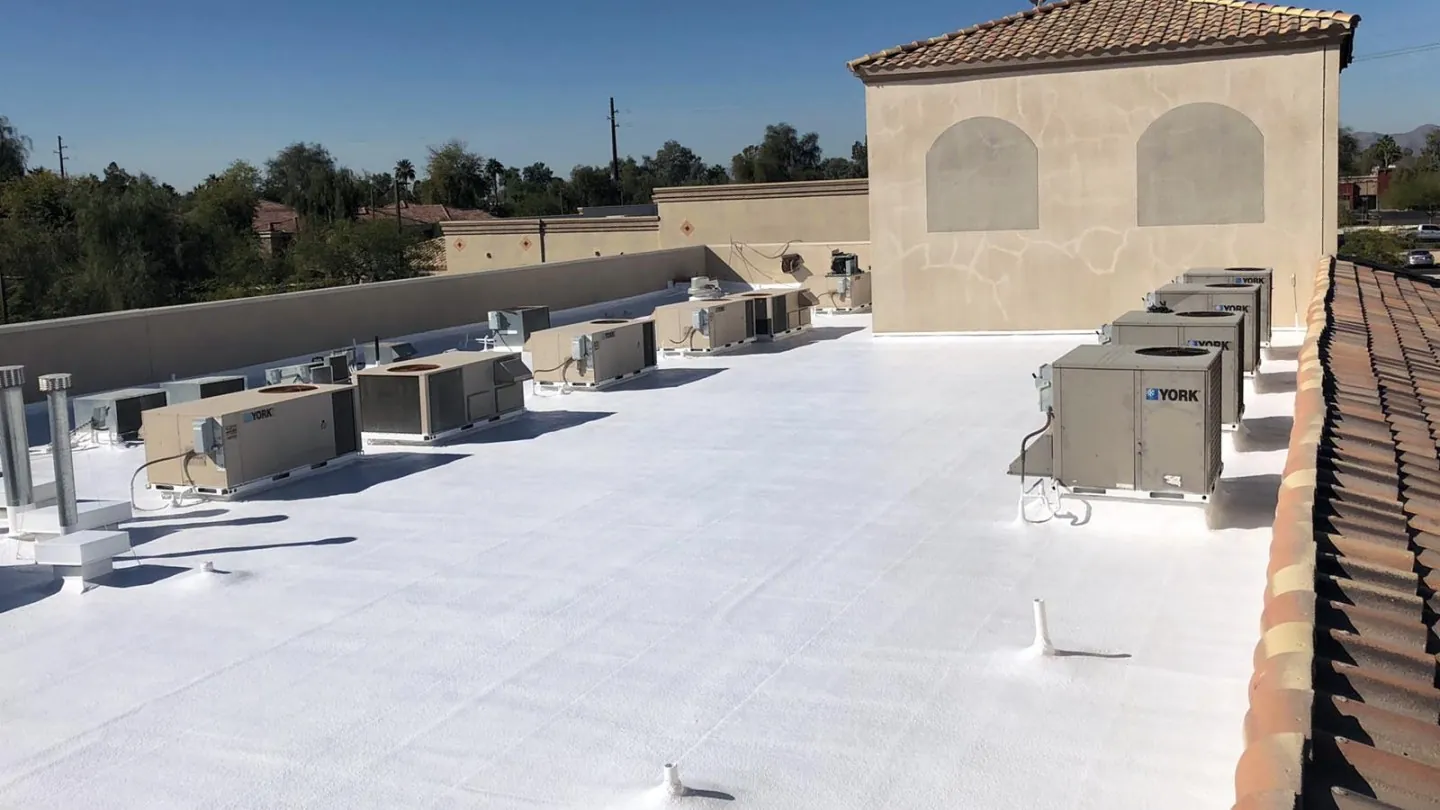
Flat roofs are especially prone to heat absorption in sunny climates, which can cause your HVAC system to work overtime in the summer. Many modern flat roofing systems are designed with reflective or “cool roof” coatings that deflect UV rays and reduce interior temperatures. Not only does this lower energy usage, but it also improves comfort inside your home—especially in warmer regions like the Southwest.
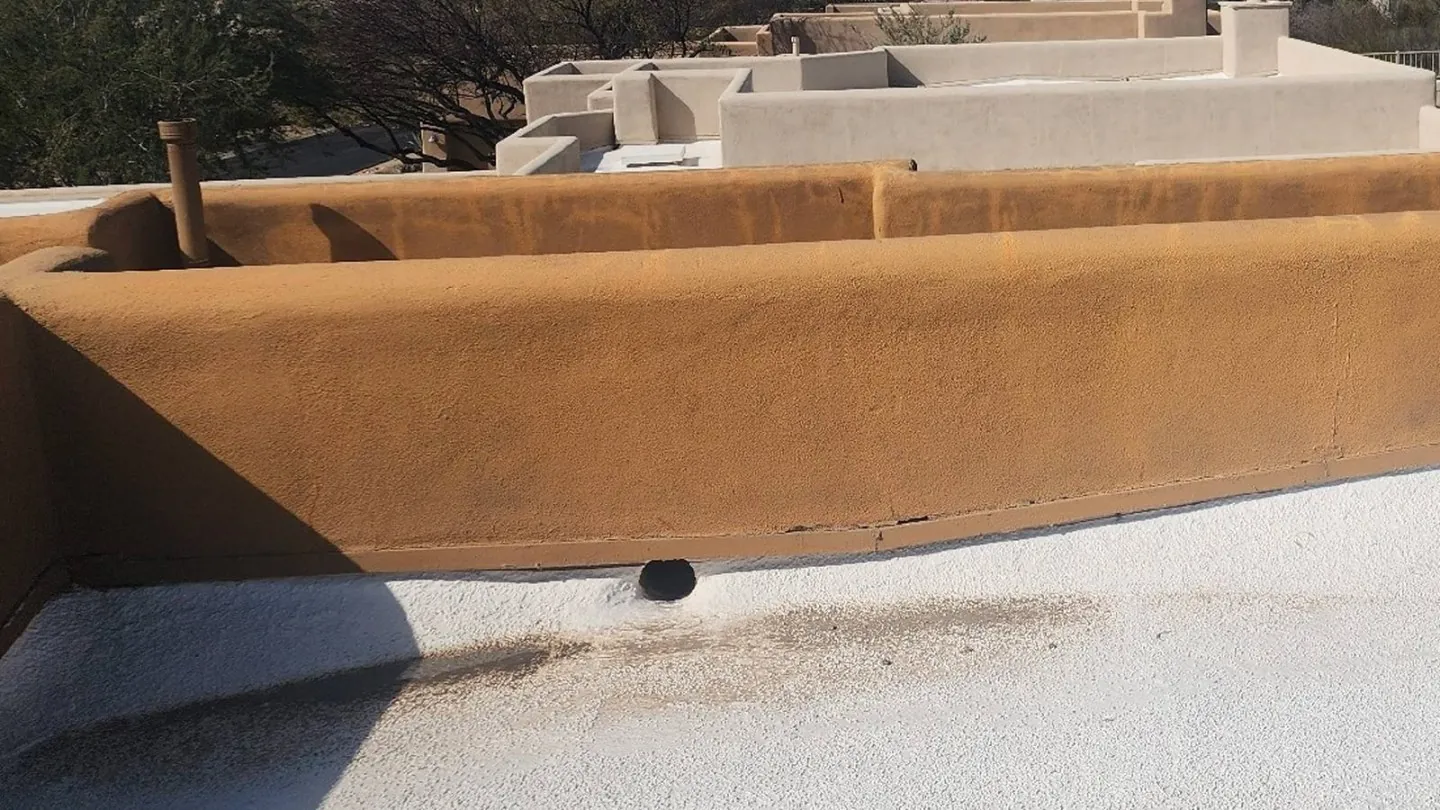
Leaky roof
As any homeowner knows, roof leaks can be a serious problem. If left unchecked, they can lead to extensive damage to your home. Not only can leaks allow water to enter your home and cause mold and mildew to grow, but they can also weaken the structure of your roof and lead to costly repairs.
Fortunately, there are a few things you can do to mitigate the damage caused by a roof leak. First, it’s essential to call a professional roofing contractor as soon as you notice signs of a leak. Early detection is the key to avoiding more expensive structural issues. Look for discoloration on ceilings, bubbling paint, or a musty odor in attic spaces—these are all red flags.
While waiting for repairs, try to contain the leak by placing a bucket or tarp under the affected area to catch water. Remove any valuable items or electronics nearby to prevent additional damage. If possible, identify the source of the leak from inside and minimize water intrusion temporarily until help arrives.
If the leak is caught early enough, the roof should be easily repaired. However, if water has compromised insulation, decking, or other layers, it may require a full roof replacement to fully restore your home’s integrity.
Visible Damage
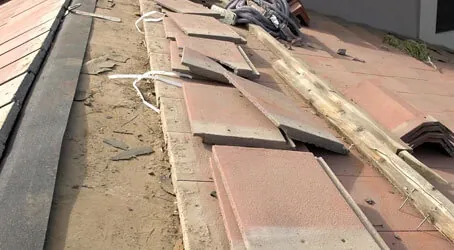
Many people don’t realize how far gone their roof is until it starts to show visible damage. By the time you notice sagging spots, missing shingles, or water stains on your ceiling, it’s often too late for a simple repair. What might have been a small fix months ago can quickly turn into a major problem requiring full roof replacement.
A new roof is a significant investment, but it’s one that protects everything beneath it—your family, your belongings, and the structural integrity of your home. It’s also an opportunity to increase your home’s energy efficiency, boost curb appeal, and raise property value.
If you’re unsure whether your roof needs to be repaired or replaced, the smartest move is to call a professional roofing contractor for a detailed inspection. Roofing experts know how to spot issues that might not be obvious to the untrained eye, such as weakened underlayment, soft spots in the decking, or signs of long-term water damage.
By addressing problems early, you can often avoid major repairs and extend the life of your current roof. Don’t wait until leaks and damage force your hand. A little preventive maintenance today can save you thousands tomorrow and give you peace of mind all year long.
How to spot roof damage
If you have a flat roof, it’s important to periodically check for signs of damage. Some types of damage can be repaired, while others may require a full replacement.
Damaged Flashing
Flashing is an often overlooked but extremely important part of a flat roof system. These thin pieces of metal are installed around roof penetrations like chimneys, vents, skylights, and along the roof edges to seal out water and prevent leaks. When the flashing is properly installed and maintained, it acts as a barrier that directs water away from vulnerable areas of the roof.
However, if the metal flashing is lifting, damaged, rusted, or even missing entirely, your flat roof is left vulnerable to water intrusion. Even small gaps or cracks in the flashing can allow moisture to seep in gradually, causing damage that may not become visible until it’s already extensive. Over time, this moisture can lead to wood rot in the decking or support beams, promote mold and mildew growth inside your home, and compromise insulation performance.
In more severe cases, prolonged water exposure can undermine the roof’s structural integrity, leading to sagging areas, ceiling leaks, and costly repairs. That’s why regular inspections should always include checking the condition of the flashing. Promptly replacing or repairing compromised flashing can help you avoid major issues down the road and extend the life of your flat roof system significantly.
Cracking and blistering
Blistering, bubbling, and cracking of the roofing membrane are all signs that your flat roof is in need of repair or replacement. These issues often indicate that moisture or air has become trapped beneath the membrane, causing it to expand and separate from the substrate. If you notice any of these symptoms, it’s important to take action immediately to prevent further damage to your roofing system and your home.
Blistering is commonly caused by prolonged exposure to the sun’s UV rays and extreme temperature fluctuations, especially in regions with hot climates. The trapped air or moisture heats up during the day, creating pressure under the membrane. Over time, these blisters can burst or crack, leaving the underlying layers exposed to the elements.
Cracking, in particular, allows water to penetrate the roofing material, potentially leading to leaks, mold growth, and deterioration of the insulation and structural components beneath. Left untreated, what starts as a minor surface issue can escalate into extensive damage that requires a complete roof replacement.
Regular inspections and prompt repair of these membrane issues can significantly extend the life of your flat roof. If you notice blistering or cracking, contact a roofing professional immediately to assess the extent of the damage and recommend the appropriate course of action.
Standing water
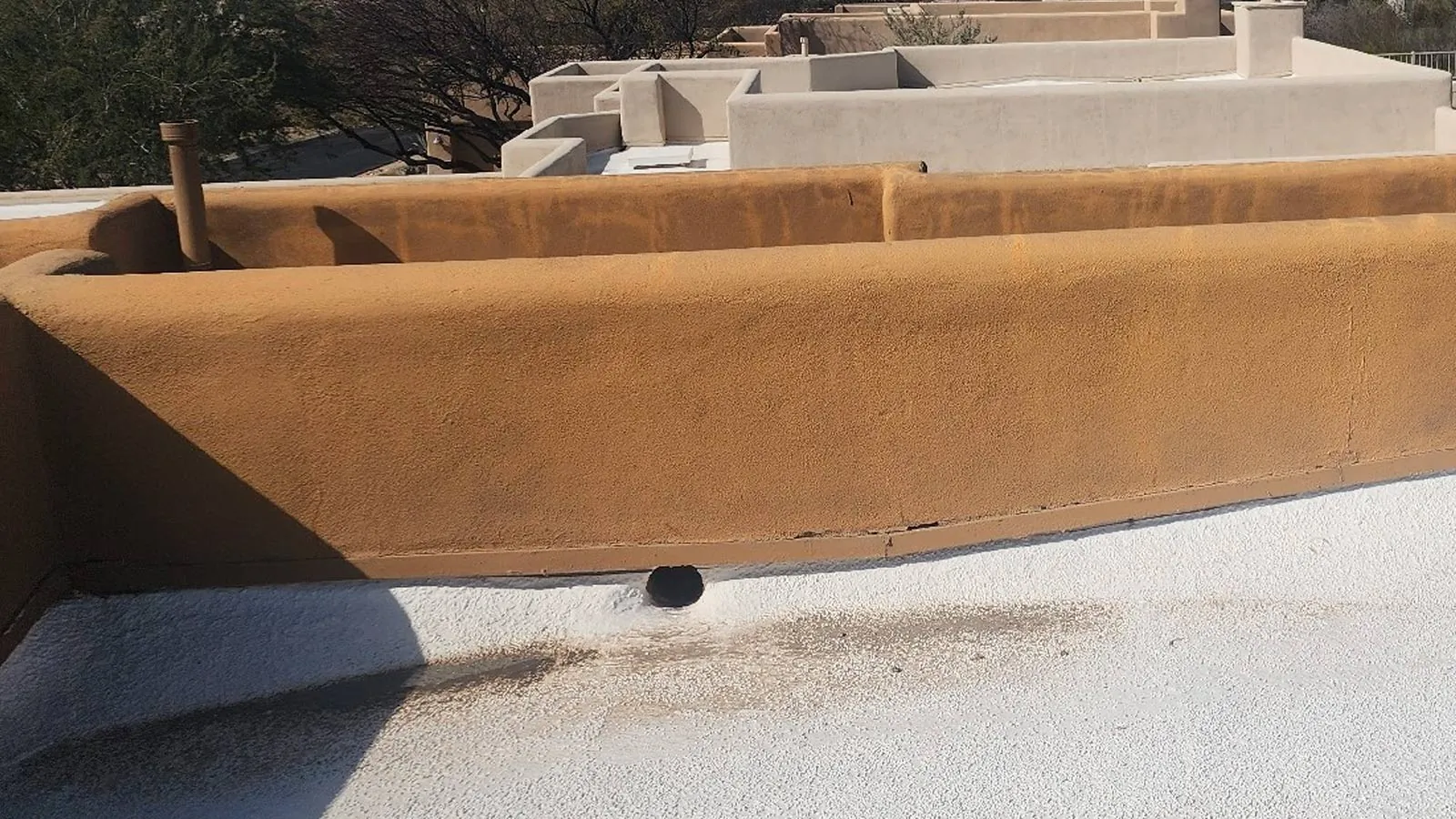
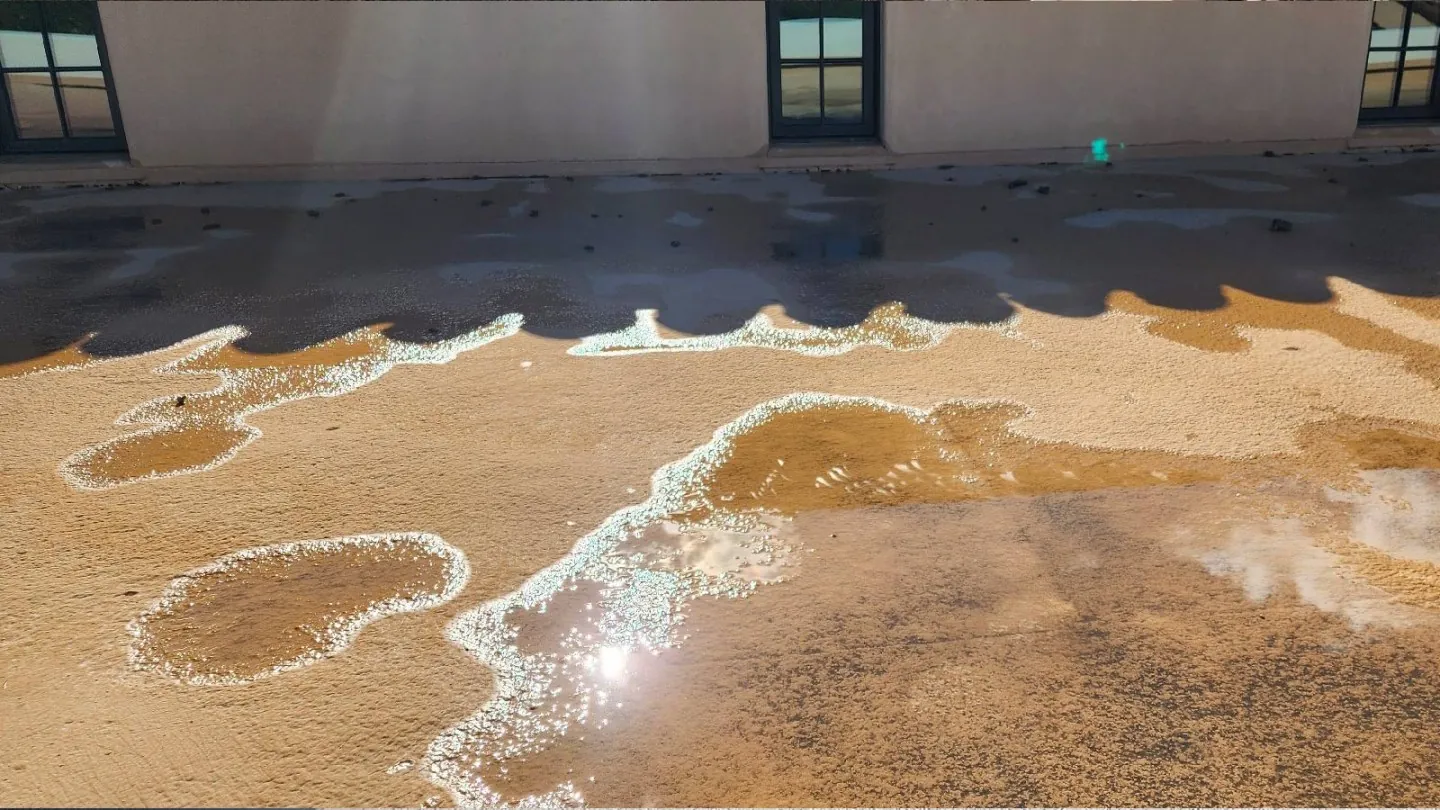
A tell-tale sign that a roof needs to be replaced is when water starts to pool on it. Although flat roofs are designed with a slight slope to encourage proper drainage, age, structural issues, or improper installation can lead to warping or low spots that hold water. As the roof deteriorates over time, it may lose its ability to shed water effectively. If this happens, puddles will accumulate and lead to more damage as moisture seeps into the roofing system, saturating insulation and weakening the roof deck.
Pooling water—also known as “ponding”—is especially dangerous because it increases the load on the roof and accelerates membrane breakdown. Standing water can also attract dirt and debris, creating the perfect environment for algae, mold, and even insect infestations. Over time, this can compromise the structural integrity of the roof and lead to costly interior damage, including leaks, ceiling stains, and compromised electrical systems.
If you notice persistent water accumulation after rain, or if parts of your roof appear to be sagging or uneven, it’s a strong indicator that a full roof replacement may be necessary. Contact a licensed roofing contractor promptly to inspect the damage and recommend a long-term solution that restores your roof’s functionality.
Impact damage
When severe weather hits, it can take a serious toll on your roof—especially if you have a flat roofing system. High winds can send debris flying or cause nearby tree limbs to break off and crash down, puncturing or tearing the roofing membrane. Hailstorms are equally damaging, pelting the roof with high-speed impacts that can bruise, crack, or puncture the surface. Even heavy rainfall over time can expose weak points or exploit existing vulnerabilities in the roof’s structure.
If you notice signs of impact damage—such as dents, tears, or displaced flashing—it’s essential to have your roof inspected by a professional roofing contractor right away. Quick action can prevent water infiltration and further deterioration of the underlying materials. In some cases, localized issues like a single tear or puncture may be addressed with a targeted patch or coating system. However, if the damage is extensive, covering a large portion of the roof or compromising the membrane’s integrity, it may not be feasible—or cost-effective—to rely on repairs alone.
In these situations, a full roof replacement is likely the best course of action. It ensures your home stays protected against future weather events and restores the roof’s durability, performance, and warranty coverage.
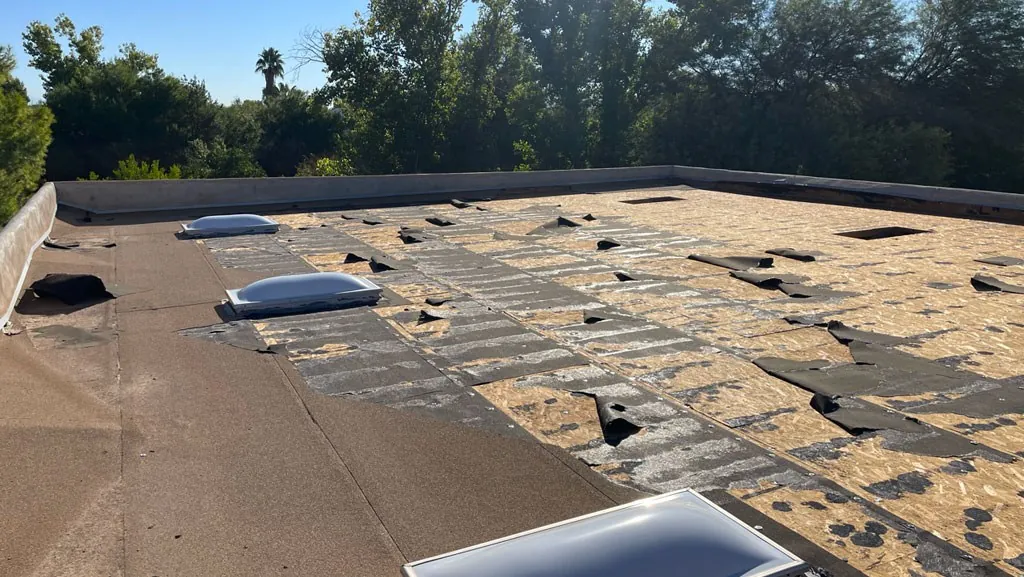
Flat roof replacement guide
If you have to replace your flat roof, we recommend taking a few proactive steps to simplify the process and ensure you get the best possible result. Start by scheduling a comprehensive inspection with a licensed roofing professional who specializes in flat roofing systems. They can assess the current state of your roof, help you understand what materials are best for your climate and budget, and provide a clear estimate for the work involved.
Next, research different roofing materials—like TPO, PVC, or EPDM—to find one that suits your home’s energy efficiency needs and long-term durability goals. You may also want to consider reflective or insulated roofing options to reduce energy bills, especially in warmer climates.
It’s also smart to check your insurance policy and determine whether any part of the replacement might be covered due to damage or age. Then, plan for the logistics—clear the area around your home, move vehicles or valuables, and inform your neighbors about potential noise or debris.
Finally, choose a roofing company with strong reviews, proper licensing, and a solid warranty on both materials and labor. Taking these steps helps ensure your flat roof replacement is smooth, efficient, and built to last.
Roofing material options
When it comes time to replace your flat roof, you have a wide range of flat roofing materials to choose from. Depending on your budget, climate, and the level of maintenance you’re willing to perform, you can select from several durable and energy-efficient options. Popular choices include TPO (thermoplastic olefin), PVC (polyvinyl chloride), and EPDM (ethylene propylene diene monomer). Each material has its pros and cons.
TPO is known for its energy efficiency and reflective surface, making it ideal for hot climates. PVC offers superior chemical resistance and durability, often used in commercial settings where the roof is exposed to oils or other contaminants. EPDM is a synthetic rubber membrane that is extremely flexible and cost-effective, especially for large roofs.
Other options include modified bitumen and built-up roofing (BUR), which consist of multiple layers for enhanced protection. These systems require more maintenance but are well-suited for roofs with heavy foot traffic.
It’s essential to work with a roofing professional who can help you evaluate which material makes the most sense for your home or business. The right roofing system will balance durability, cost, energy savings, and ease of installation—giving you long-term peace of mind and protection.
Guarantees and warranties
A roof replacement is a major home improvement project that can have a significant impact on your property value and energy efficiency. But with such a major investment, you want to be sure that the job is done right. That’s why it’s important to make sure that your roofing contractor uses quality materials and offers a warranty on both their work and the materials they use. We offer our Owner’s Pride Guarantee. By taking these precautions, you can be confident that your roof replacement will be a success. And if something does go wrong, you’ll have the peace of mind of knowing that you’re covered by a quality guarantee.
Check with your insurance company
For most homeowners, the roof is one of the most important parts of the house. Not only does it protect against the elements, but it also plays a major role in the overall appearance of the home. As a result, it’s important to keep your roof in good condition. However, over time, even the best-maintained roofs will eventually need to be replaced. In most cases, this is the homeowner’s responsibility. However, there are some exceptions. For instance, if your roof needs to be replaced prematurely due to damage or inferior quality, you may be able to file a claim with your home insurance provider. No matter when you need to replace or repair your flat roof, it’s always a good idea to check with your insurance company first to see what’s covered and what’s not.
How to choose a flat roof replacement contractor
The most important factor in getting the most of your flat roof replacement is working with the right roofing contractor. Hiring the right contractor can mean you get high-quality roofing materials rather than low-quality materials, a long-lasting roof rather than a roof that only lasts a few short years, and a stress-free roof replacement process rather than a stressful one.
Many roofing contractors specialize in sloped or pitched roofs but have little-to-no experience working with flat and low-sloped roofs. A good flat roofing contractor will be able to inspect your roof, determine the extent of the damage, and recommend the best course of action. They will also be able to provide you with an estimate of the cost of the repair or replacement and help you select the best roofing materials for your home.
As one of the Valley’s largest and most-trusted roofing companies, KY-KO Roofing is best known for our Owner’s Pride Guarantee, our knowledgeable roofers, and our free checkups. We’re experienced flat roofing contractors serving Phoenix, Arizona, and we offer free roofing checkups and estimates throughout the Valley. If your home or business needs flat roof repair or replacement, give us a call. We look forward to serving you!
Get a free roofing checkup.
A licensed KY-KO roofer inspects your roof, documents anything the desert threw at it, and gives you a straight answer — repair, recoat, or replace.