Understanding Asphalt Shingles

Asphalt shingles are among the most widely used roofing materials in the United States, valued for their affordability, durability, and versatility. Homeowners often choose asphalt shingles due to their adaptability to various architectural styles and their ability to withstand different weather conditions. In fact, asphalt shingles are typically easier to install and maintain than many other roofing materials, making them a practical choice for both budget-conscious and style-focused homeowners.
While their popularity is clear, asphalt shingles are more than just a budget-friendly option; they offer a significant level of protection and longevity when properly maintained. In this article, we’ll explore how asphalt shingles are made, the factors that impact their lifespan, tips to extend their durability, and what to expect in terms of replacement costs. Whether you’re considering a new roof or seeking to maximize your current shingles, this guide will help you make informed decisions for your home.
How Asphalt Shingles are Made
Materials Used
Asphalt shingles are manufactured using three primary materials: fiberglass or organic mats, asphalt, and mineral granules. The mat forms the core structure of each shingle. Fiberglass mats are typically preferred due to their lightweight and fire-resistant qualities, though some older shingles used organic mats made from wood fibers or recycled paper. The asphalt, a durable and waterproof material, binds to the mat to create a flexible and weather-resistant layer.
Finally, mineral granules are added to the surface of the shingles. These granules not only give shingles their color and texture but also protect against UV damage, enhance fire resistance, and reduce the impact of harsh weather. Together, these components make asphalt shingles both functional and aesthetically versatile for a wide range of home styles.
Manufacturing Process
The process begins with the mat, which is coated with hot asphalt to make it waterproof and durable. This asphalt layer is then covered with a fine layer of mineral powder to enhance its heat resistance and durability. After the asphalt is applied, the shingle is coated with mineral granules, which are carefully embedded into the asphalt layer. These granules not only add color but also play a critical role in protecting the shingles from UV damage and general wear and tear.
Once the shingles are layered and coated, they are cut into specific shapes, typically either three-tab shingles or architectural shingles. Architectural shingles are thicker and have multiple layers, which contribute to their dimensional appearance and added durability.
Types of Asphalt Shingles
Asphalt shingles come in three main types: three-tab, architectural, and designer shingles. Three-tab shingles are a popular, cost-effective choice and have a uniform shape. Architectural shingles, often called dimensional shingles, are thicker and offer a more textured look. Finally, designer shingles are premium-grade shingles that provide a unique aesthetic, often resembling other roofing materials like slate or wood shakes. Each type has its own lifespan and cost, giving homeowners flexibility based on budget and style preferences.
Beyond aesthetics, the structural differences between these shingles significantly impact home performance. For instance, the multi-layered construction of architectural and designer options provides superior wind resistance, with many rated to withstand gusts up to 130 mph, compared to the 60 mph typical of standard three-tab strips. This extra thickness also contributes to better thermal regulation; the increased mass can help buffer the attic against the intense desert heat, potentially reducing the strain on your cooling system.
Furthermore, while designer shingles carry a higher upfront investment, they often feature advanced granule technology that resists algae staining and UV degradation more effectively than entry-level options. Homeowners should also consider that the added weight of premium shingles requires a sturdy roof deck, but this translates into a “flatter” installation that masks minor imperfections in the roof’s surface. By choosing a shingle that aligns with both your home’s architectural needs and the local climate, you ensure a balance of long-term durability and maximum curb appeal.
Average Lifespan of Asphalt Shingles
Standard Lifespan Ranges
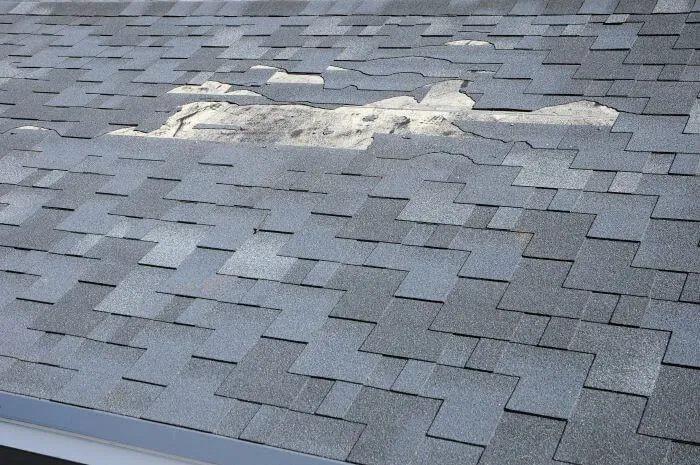
The lifespan of asphalt shingles varies depending on the type and quality. Three-tab shingles, often the least expensive option, typically last around 15-20 years. Architectural shingles, known for their durability and layered design, can last 20-30 years with proper care. Designer shingles, being the highest grade of asphalt shingles, can last anywhere from 30 to 50 years, given that they are thicker and made to withstand more extreme conditions.
These estimates assume regular maintenance and moderate weather conditions. While asphalt shingles are quite resilient, their longevity can be impacted by factors such as installation quality, local climate, and roof pitch.
Factors Affecting Longevity
Several factors influence the lifespan of asphalt shingles. Climate plays a significant role; for instance, extreme heat can cause shingles to deteriorate faster, while hail and high winds can damage them or dislodge granules. The quality of installation is also critical, as improper installation can lead to issues such as leaks and premature wear. Additionally, the roof’s pitch, or steepness, affects how water and debris run off the roof, which can prevent damage over time.
By understanding these factors, homeowners can take proactive steps to ensure their shingles reach their maximum lifespan, particularly through regular inspections and maintenance.
Tips to Extend the Life of Asphalt Shingles
Regular Inspections and Maintenance
Conducting regular roof inspections is essential for prolonging the life of asphalt shingles. By inspecting the roof annually, homeowners can identify minor issues, such as missing or damaged shingles, and address them before they escalate. Routine maintenance can include tasks such as removing debris, checking for signs of granule loss, and assessing shingles for curling or cracking.
A professional inspection is also a valuable investment, as experienced roofers can spot problems that might not be visible to the untrained eye. Regular maintenance helps keep shingles in top condition, ultimately extending their lifespan.
Gutter Maintenance
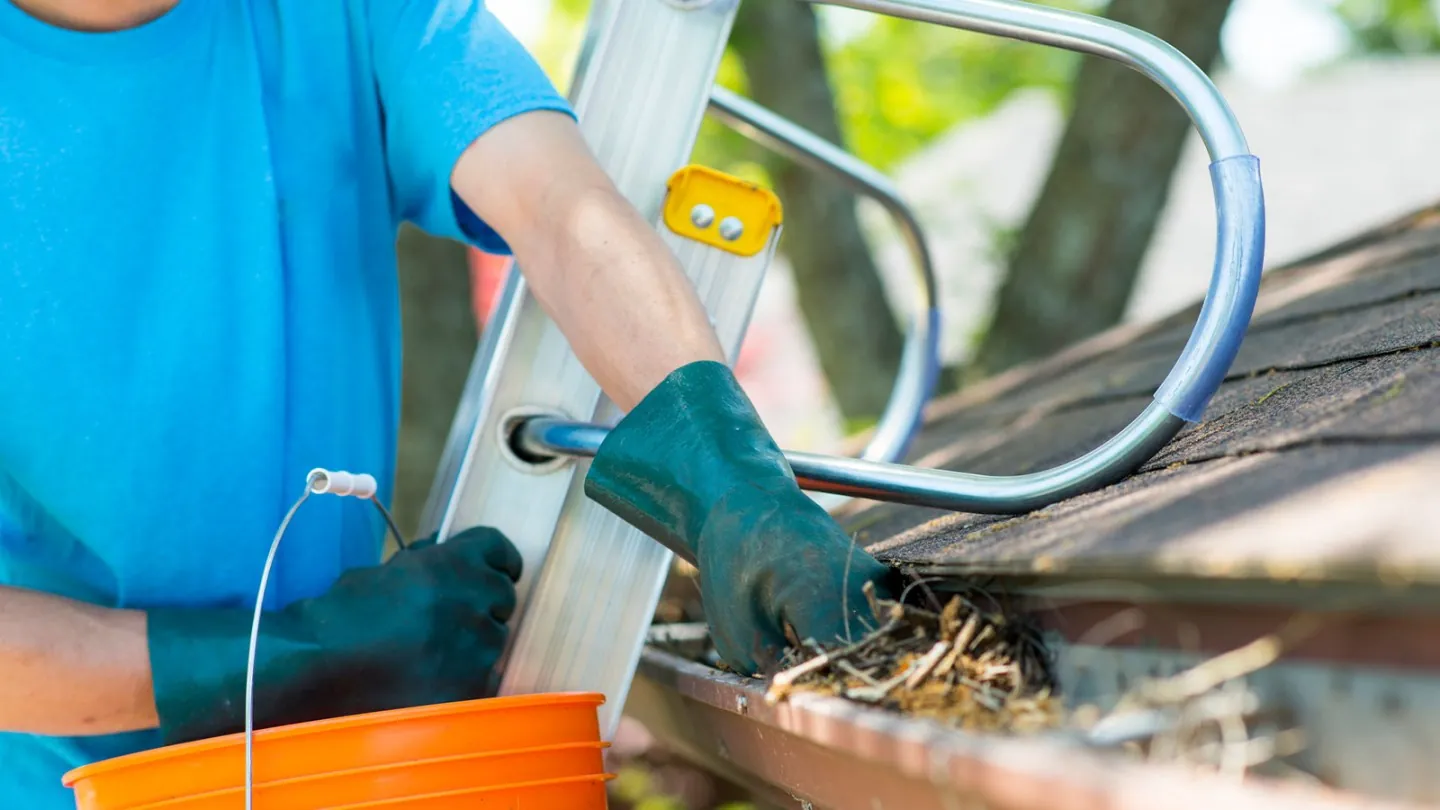
Clogged gutters can lead to water pooling on the roof, which increases the likelihood of leaks and shingle damage. Ensuring that gutters are clean and functional is a simple yet effective way to prevent moisture issues that could compromise the roof’s integrity. Regular gutter cleaning—especially during the fall when leaves accumulate—helps to avoid water-related damage and keeps shingles intact.
When gutters overflow, water often “wicks” backward under the roof’s edge, rotting the fascia boards and the wooden roof deck itself. This hidden moisture can cause the bottom layer of shingles to lift or warp, eventually leading to costly interior water damage that isn’t always visible from the ground. Furthermore, the immense weight of standing water and soggy debris can cause gutter hangers to pull away from the roofline, creating gaps where insects and rodents are likely to nest.
In many climates, stagnant water in gutters also accelerates the breakdown of the asphalt’s protective granules. During rapid temperature shifts, this trapped moisture can expand and contract, putting unnecessary stress on the shingle adhesive. By maintaining a clear path for drainage, you aren’t just protecting the gutters; you are preserving the structural “drip edge” of your roofing system and extending the overall life of your shingles by several years.
Ventilation and Insulation
Proper attic ventilation and insulation are crucial to maintaining the roof’s temperature and moisture levels. Good ventilation prevents heat buildup, reducing the risk of shingles warping or cracking. Insulation, on the other hand, regulates temperature and helps avoid condensation that could deteriorate the shingles from beneath.
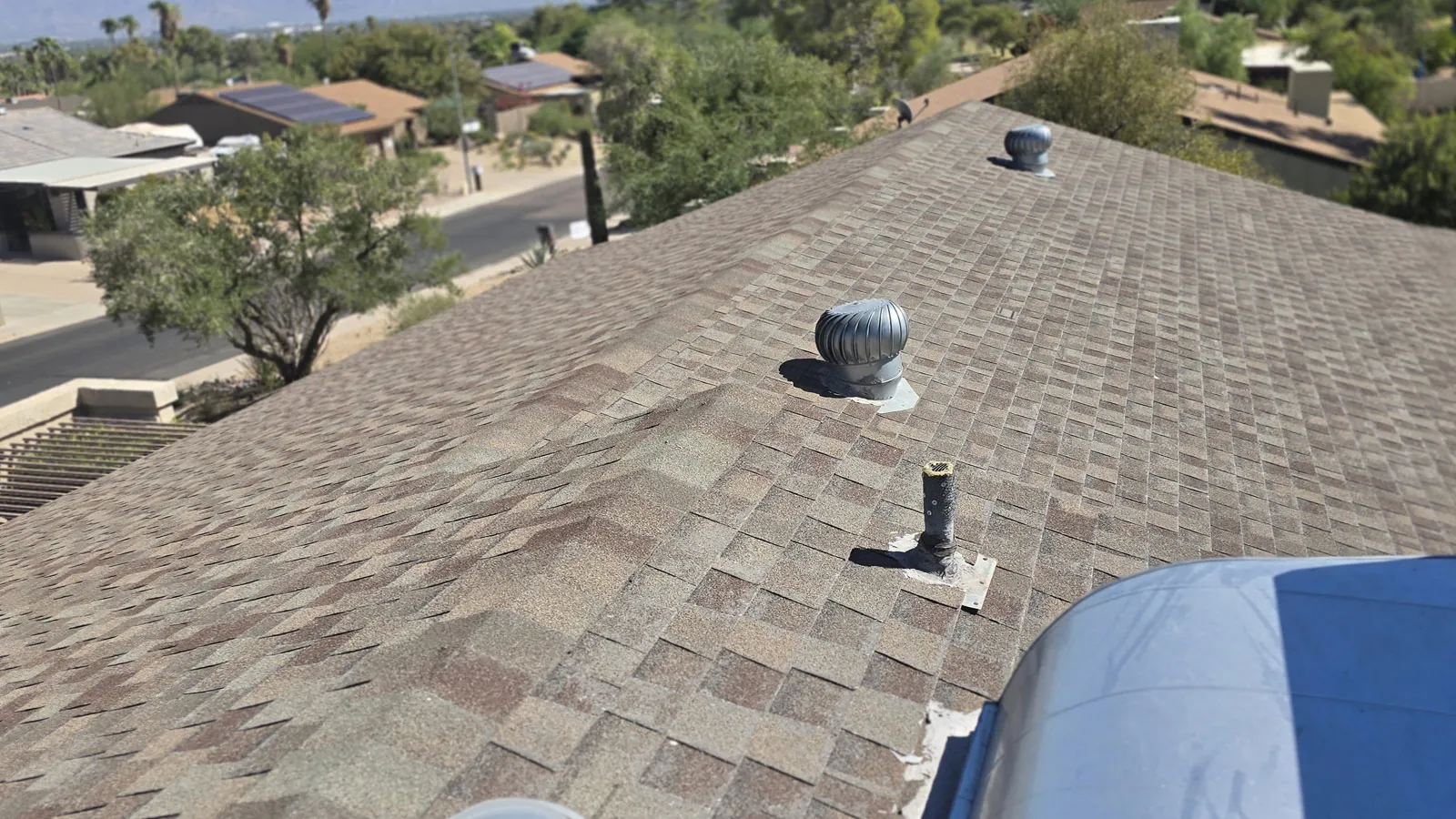
In hot climates, heat buildup can accelerate the aging of shingles. Installing roof vents or ridge vents can help manage this, especially for homes in warmer regions. This simple measure can add years to the roof’s lifespan by maintaining an optimal environment for the shingles.
An effective ventilation system relies on the “stack effect,” where cool air is drawn in through soffit vents and hot, humid air is exhausted through the ridge. Without this continuous airflow, attic temperatures can soar above 150°F, literally “cooking” the shingles from the inside out. This extreme thermal stress causes the asphalt oils to evaporate prematurely, leading to brittle shingles that lose their protective granules and become prone to wind uplift.
Furthermore, high-quality insulation acts as a thermal barrier that prevents your home’s conditioned air from escaping, but its role in moisture control is equally vital. Inadequate insulation can lead to “hot spots” on the roof deck, where localized condensation forms on the underside of the plywood. This trapped vapor eventually causes the wood to swell and rot, compromising the structural nails that hold your shingles in place. By balancing R-value insulation with a robust venting strategy, you protect the entire roofing assembly from both external heat and internal humidity.
Repairs and Timely Replacement
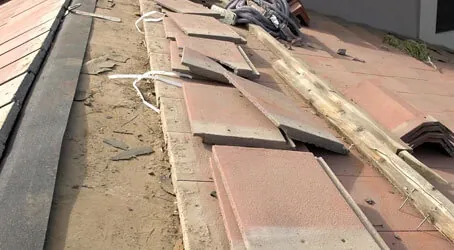
Addressing shingle damage immediately can help avoid larger problems down the line. Small repairs, such as replacing a few damaged shingles or reattaching loose shingles, can prevent water intrusion and protect the underlying structure. When damage is extensive, however, it may be more cost-effective to replace the roof rather than performing constant repairs. Investing in repairs as soon as damage is noticed ensures the longevity of the entire roofing system.
The danger of delaying small repairs lies in the “domino effect” of wind uplift. Once a single shingle tab is creased or missing, the factory-applied sealant strip on the surrounding shingles is compromised, exposing the nail heads to direct rainfall. This leads to “nail pulling,” where moisture causes the wooden deck to swell and push the fastener out, creating a permanent gap for water to bypass the underlayment. Even a minor leak can saturate the fiberglass matting of the shingle, causing it to lose its fire-resistance rating and structural rigidity.
Homeowners should also consider the “repair-to-replacement” ratio. If more than 25% of the roof surface requires patching, or if the shingles have reached a point of significant granule loss, the cumulative cost of individual service calls often exceeds the long-term value of a full tear-off. By performing a thorough inspection after high-wind events, you can catch these “silent” failures—like hairline cracks or broken seals—before they transform into an expensive emergency restoration project.
Cost of Replacing an Asphalt Shingle Roof
Factors Affecting Replacement Cost
The cost of replacing an asphalt shingle roof depends on several factors, including the size of the roof, the type of shingles chosen, and the complexity of the roof’s design. Larger roofs require more materials and labor, while intricate roof designs can increase the installation time and difficulty. Additionally, local labor rates and accessibility to the roof can affect costs, as some areas have higher contractor fees due to demand or difficulty of access.
Average Cost Ranges
On average, a new asphalt shingle roof can cost anywhere from $5,000 to $15,000, depending on the size and materials. For three-tab shingles, the cost might be on the lower end, while architectural shingles can fall in the mid-range. Designer shingles, being the premium option, can cost up to $20,000 or more for larger homes with complex rooflines. It’s important to remember that while higher-quality shingles have a greater initial cost, they often last longer and require less maintenance over time.
Cost-Saving Tips
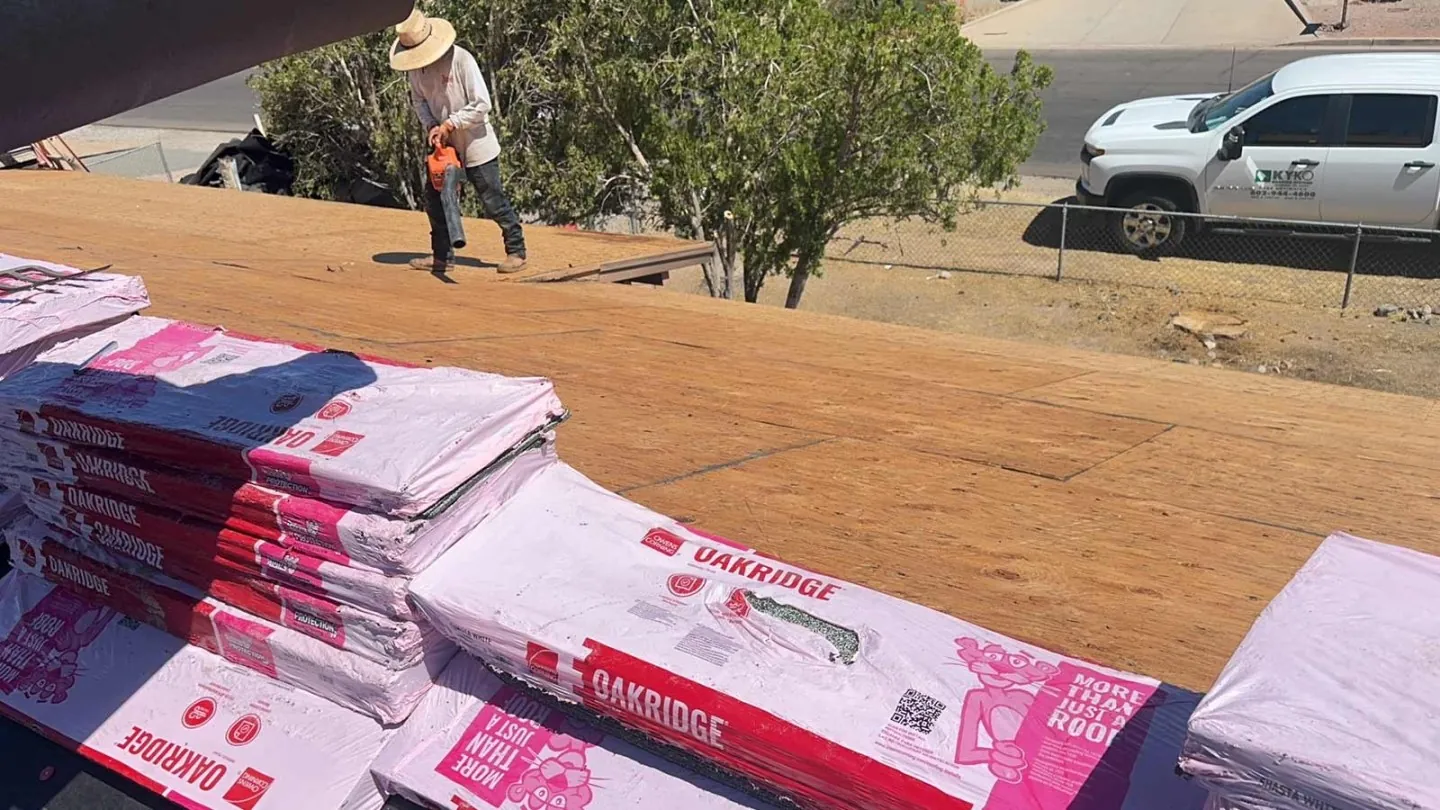
There are ways to save on roof replacement without sacrificing quality. First, consider scheduling the project during off-peak seasons, as some contractors may offer discounts during slower months. Additionally, choosing a durable shingle type with a longer lifespan can reduce long-term maintenance costs, ultimately providing more value. Another option is to work with local roofing companies like KY-KO Roofing, who can offer expert advice on selecting affordable materials without compromising durability.
Conclusion
Asphalt shingles are an excellent roofing option, balancing affordability with durability and a range of design choices. Understanding how these shingles are made, what factors influence their lifespan, and how to maintain them is essential for homeowners looking to maximize their investment. Regular maintenance and proactive care can significantly extend a shingle roof’s life, while planning for eventual replacement helps manage costs effectively.
For homeowners in need of professional assistance with their asphalt shingle roofs, KY-KO Roofing provides expert services, from inspections and maintenance to full replacements. Contact us today for a comprehensive roof assessment or to learn more about cost-effective ways to enhance your roof’s durability. With the right care, your asphalt shingles can protect your home beautifully for many years.
Get a free roofing checkup.
A licensed KY-KO roofer inspects your roof, documents anything the desert threw at it, and gives you a straight answer — repair, recoat, or replace.