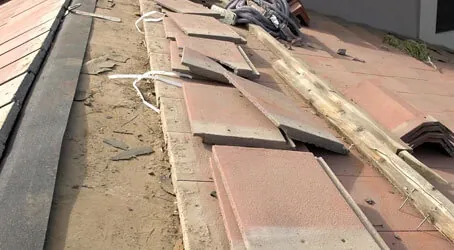
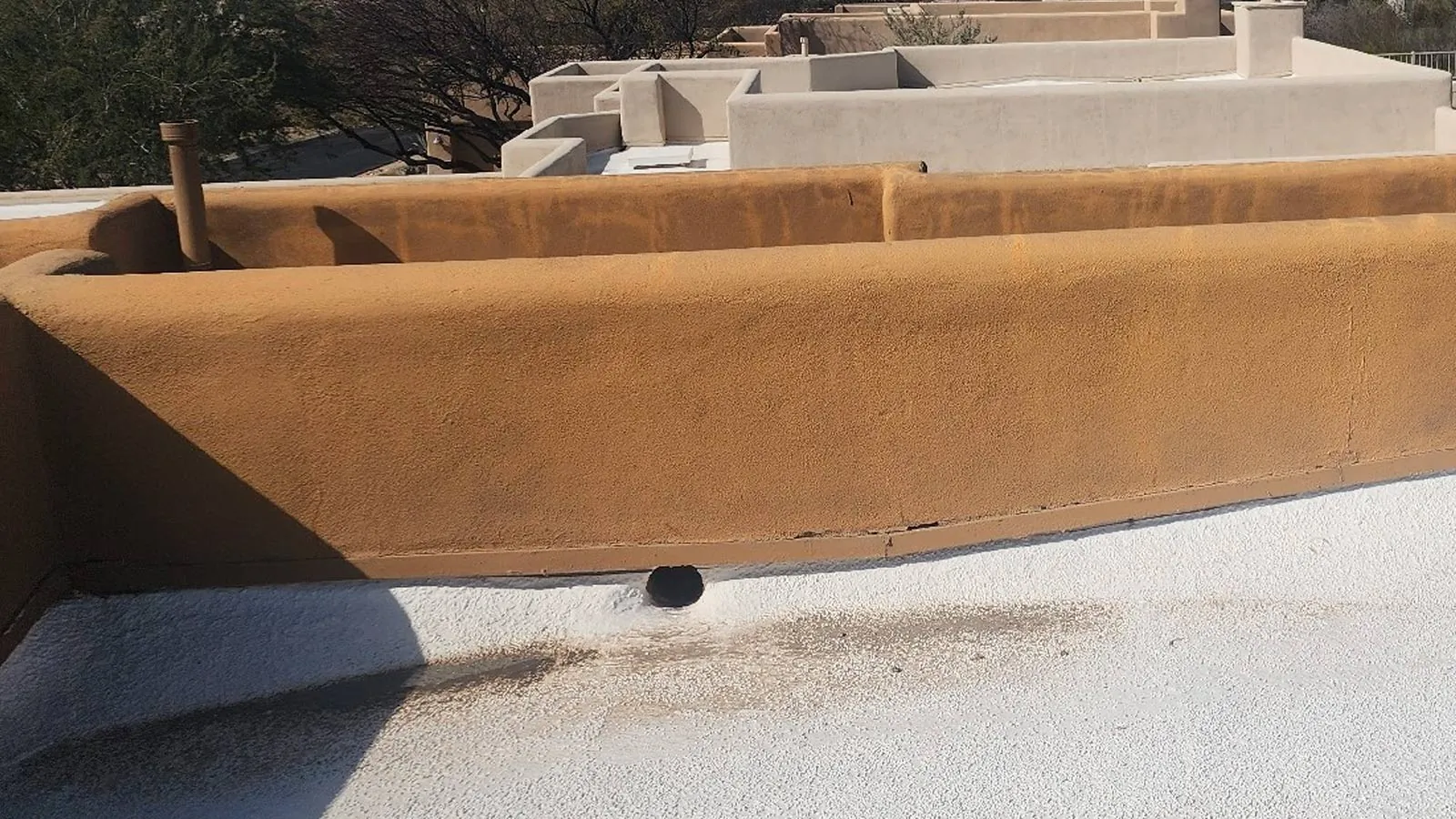
Here are the 4 signs of tile roof damage after this monsoon season


In This Guide
- Why Monsoon Storms Hit Tile Roofs Hard
- Key Takeaways
- How a Tile Roof Actually Keeps Water Out
- Signs of Tile Roof Damage to Look For
- Warning Signs That Need Immediate Attention
- Why You Shouldn’t Walk Your Tile Roof
- Repair, Replace, and the Underlayment Question
- What to Do After You Spot Damage
- Frequently Asked Questions
Arizona’s monsoon season runs from June 15 into late September, and it does not arrive gently. Microbursts drive rain sideways, fling debris across rooftops, and lift and crack tiles that looked perfectly solid in May. The frustrating part for Valley homeowners is that the worst of the damage often hides in plain sight: a single cracked or slipped tile reads as cosmetic, when it is actually the first step toward a leak.
This guide walks through the real signs of tile roof damage to look for after a storm, which ones can wait and which cannot, and what to do once you spot them. The goal is simple: help you catch a small problem while it is still small — before the next storm turns it into water on your ceiling.
is how long a tile roof’s underlayment lasts in Phoenix — even though the tiles on top can last 50 years or more. That hidden layer is what monsoon damage puts at risk.
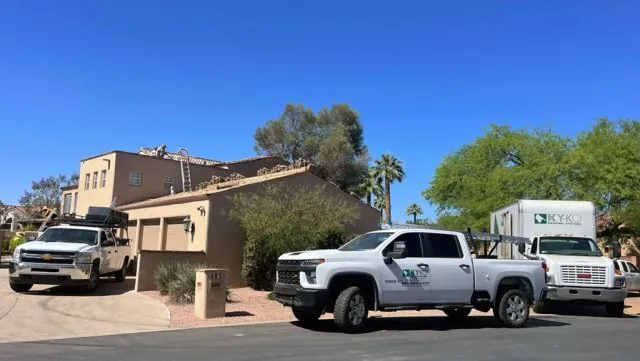
Why Monsoon Storms Hit Tile Roofs Hard
Tile is one of the toughest roofing materials you can put on a Phoenix home. It stands up to sun, heat, and wind, and it is a big reason so many Valley neighborhoods are filled with red and orange rooflines. But “tough” is not the same as “invincible,” and monsoon storms test tile in a few specific ways.
Wind That Lifts and Cracks Tiles
Monsoon microbursts can produce sudden, violent winds far stronger than the steady breezes tile shrugs off the rest of the year. That wind can lift the edges of tiles, slide them out of position, and crack the ones at the edges and ridges where pressure concentrates. A tile that moves even an inch leaves a gap in the roof’s coverage.
Debris Traveling at Speed
The same winds turn palm fronds, gravel, and broken tree limbs into projectiles. A branch dropping onto a tile field during a storm can crack several tiles at once. Loose debris that lands and sits also traps moisture against the roof and clogs the path water needs to drain.
Water Coming From Every Direction
Tile sheds vertical rain beautifully. Wind-driven monsoon rain is a different problem — it pushes water sideways and even upward, underneath tiles and flashing that were never meant to handle pressure from that angle. That is how water gets past the tile and reaches the layer that really matters.
Key Takeaways
- After every major monsoon storm, scan your tile roof from the ground for cracked, slipped, or missing tiles and for tiles or debris on the ground.
- The tiles are armor; the underlayment beneath them is the real waterproof barrier. A cracked or missing tile exposes that layer to sun and rain.
- Phoenix underlayment typically lasts 15 to 20 years, while the tiles can last 50 years or more — so an older roof can need underlayment work even with good-looking tiles.
- Interior water stains, a sagging roof deck, and exposed underlayment are urgent — they mean water has already gotten past the tile.
- Don’t walk your tile roof. Tiles crack underfoot; inspect from the ground and let a licensed roofer get up top.
- Monsoon damage may be covered by homeowners insurance depending on your policy — document everything and have a professional roofing checkup done.
How a Tile Roof Actually Keeps Water Out
This is the single most important thing to understand about a tile roof, and it changes how you read every sign of damage: the tile is not what waterproofs your home.
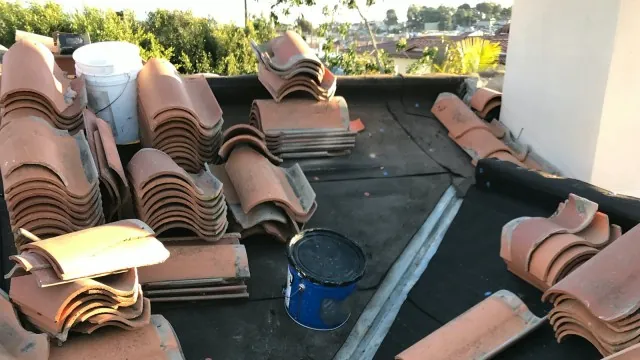
Beneath the visible tiles, sitting on top of the roof structure, is a layer called the underlayment. That underlayment is the actual barrier that keeps water out of your home. The tiles above it do two jobs — they take the beating from sun, wind, and impact, and they shield the underlayment from direct UV. In other words, the tiles protect the underlayment, and the underlayment protects the house.
Here is why that matters after a storm. When a tile cracks, slips, or goes missing, the underlayment beneath it is suddenly exposed to full Phoenix sun and direct rain. Underlayment is not built to take that exposure for long. It dries out, cracks, and blisters, and once it fails, water has a direct path into the roof deck and the rooms below. That is the chain reaction a single damaged tile can start.
The Underlayment Has Its Own Clock
Because the underlayment does the waterproofing, it also has its own lifespan — and in Phoenix that clock runs faster than most homeowners expect. Intense sunlight, big temperature swings, and heavy monsoon rains mean underlayment in our region typically needs replacement every 15 to 20 years, depending on the material. The tiles themselves can last 50 years or longer, which creates a common surprise: a roof with perfectly good tiles can still need new underlayment. Monsoon damage simply speeds up the timeline by exposing that layer early.
Signs of Tile Roof Damage to Look For
You can spot most of these from the ground or an upper window — no ladder required, and definitely no climbing on the roof. Walk the perimeter of your home after a storm and look up slowly, section by section.
1. Cracked or Broken Tiles
Look for tiles that are split, chipped, or shattered, especially along edges, ridges, and hips where wind pressure is highest. A cracked tile no longer sheds water the way it should, and it leaves the underlayment beneath it exposed. Even hairline cracks widen with each heat cycle and each storm.
2. Slipped or Shifted Tiles
Tiles are meant to overlap in a consistent pattern. After a storm, scan for tiles that have slid down, rotated, or lifted out of line, leaving gaps or an uneven, wavy look across the field. A shifted tile may not be broken, but the gap it leaves is an open door for wind-driven rain.
3. Tiles or Debris on the Ground
A tile, or a piece of one, sitting in your yard or driveway is a clear signal. It means there is now an exposed section of underlayment up on the roof above where it came from. Note where you found it and have that area checked. Piles of leaves, gravel, and branches on the roof are also worth clearing, because they trap moisture and block drainage.
4. Damaged or Lifted Flashing
Flashing is the metal that seals the joints where the roof meets a wall, chimney, vent, or skylight. From the ground, look for flashing that appears bent, lifted, or separated. These transitions are among the most common spots for monsoon leaks, because wind drives water straight at them.
5. Clogged, Loose, or Sagging Gutters
Gutters are a useful read on your roof’s overall health. After a monsoon they can fill with debris, pull loose from their brackets, or sag. Standing water and overflow stress the roof edge and can back water up under the lowest course of tiles. Clear them and confirm they still drain away from the foundation.
6. Interior Stains and Ceiling Spots
Step inside and look up. Brown rings or fresh stains on ceilings — especially below roof valleys, chimneys, or skylights — mean water has already found a path through. If a stained spot feels soft or spongy, the drywall is saturated and the problem is active, not old.
Warning Signs That Need Immediate Attention
Most tile damage can be scheduled for a prompt repair rather than a middle-of-the-night emergency. The signs below are the exceptions. Each one means water has already gotten past the tile, and waiting lets the damage spread into the roof deck and your home’s interior. If you see any of these, schedule a tile roof repair evaluation right away.
- Active interior leaks or growing stains — Water dripping during or after a storm, or a ceiling stain that spreads, means an active path through the roof. Contain the water inside and get it inspected.
- Visible exposed underlayment — If you can see the dark felt or synthetic layer where tiles are missing, the roof’s waterproofing is now taking direct sun and rain. It will not last long uncovered.
- A sagging or dipping roofline — Any section that bows or sags can mean the roof deck has been weakened by a previous, unresolved leak. This is a structural concern, not a cosmetic one.
- Several broken tiles in one area — A cluster of cracked or missing tiles, often from a fallen branch, exposes a large patch of underlayment at once and needs prompt attention.
- Damp or stained attic sheathing — If you have attic access, water marks or wet insulation on the underside of the roof point to a leak you cannot see from below the ceiling.
Why You Shouldn’t Walk Your Tile Roof
It is tempting to grab a ladder and get up there for a closer look. With tile, that is a mistake on two fronts.
First, tile cracks under concentrated weight. Walking a tile roof without knowing exactly where and how to step is one of the most common ways homeowners turn a few storm-damaged tiles into many. You can easily create more of the very problem you are trying to assess. Second, tile roofs are slick and unforgiving, and a fall from roof height is a serious injury risk that is never worth it.
A ground-level inspection catches most of what you need to know. For everything above that — the condition of the flashing seals, the state of the underlayment, hairline cracks you cannot see from below — that is what a licensed roofer is for. They know how to move on tile safely and what to look for once they are up there.
Look from the ground, not from the roof. Inspect with your feet planted and a pair of binoculars if you have them. Leave the climbing to a professional who can do it without cracking more tiles — that is exactly what a free roofing checkup covers.
Repair, Replace, and the Underlayment Question
The good news about tile is that storm damage rarely means a whole new roof. Because the system is built tile by tile, problems caught early are usually fixable without a full replacement.
When Spot Repair Is Enough
In many cases, individual cracked or slipped tiles can be replaced and repositioned without touching the rest of the roof. If the underlayment underneath is still in good shape and only a handful of tiles took damage, a targeted repair restores protection and you move on.
When the Underlayment Is the Real Issue
If the underlayment has been exposed, has failed, or is simply near the end of its 15-to-20-year life, new tiles alone will not fix the leak. The tiles come off, the underlayment is replaced, and the tiles go back on. It is more involved, but it resets the roof’s waterproofing for another long stretch.
Which path you need comes down to two things: how many tiles were damaged, and the condition of the underlayment beneath them. You cannot reliably judge the second one from the ground, which is why a professional checkup is the right first step. If the damage is extensive or the roof is genuinely at the end of its life, KY-KO can walk you through roof replacement options too — but for most monsoon damage, it does not come to that.
Monsoon Damage and Your Insurance
Storm-related tile and underlayment damage is sometimes covered by homeowners insurance, depending on your policy and the cause. Coverage varies a great deal from one policy to the next, so it is worth reviewing your roofing insurance coverage and talking with your provider after a significant storm. KY-KO can supply the documentation and photos that support a claim. And if a repair or underlayment replacement lands at an inconvenient time, financing options are available with approved credit to help spread the cost.
All of KY-KO’s work is backed by the Owner’s Pride Guarantee — a commitment to using only UL-certified tiles and roofing materials on every project. If you are wondering whether storm damage may affect any existing warranty on your roof, review your coverage terms or ask a licensed contractor about your specific situation.
What to Do After You Spot Damage
If a post-storm scan turns up any of the signs above, here is the order of operations that protects your home and your wallet.
Document What You See
Photograph every cracked tile, piece of debris, ceiling stain, and section of flashing — with dates. This record is the backbone of any insurance claim and tells your roofer where to focus before they even arrive.
Contain Water Inside
If water is actively coming in, manage it from inside — catch drips, move belongings, and lay down towels. Do not climb up to tarp the roof yourself. Getting a professional out quickly is safer and more effective than improvising on a wet tile roof.
Schedule a Free Roofing Checkup
Have a licensed roofer assess the tiles, flashing, and underlayment up close. They will tell you whether you need a quick tile swap, underlayment work, or just peace of mind. KY-KO’s checkup is free and comes with no obligation.
Timing matters most here. The Phoenix metro area — Mesa, Tempe, Chandler, Gilbert, Peoria, Glendale, and Scottsdale included — sees storm after storm through late September, so a small bit of damage rarely gets the chance to sit quietly. Catching it between storms, or before the season ends and fall arrives, is what keeps a cracked tile from becoming a ceiling repair.
Don’t let damage wait for the next storm. If you cannot remember the last time a professional looked at your tile roof, or it has been more than a year, schedule a checkup now rather than after the leak shows up. Exposed underlayment does not improve on its own.
Frequently Asked Questions
What are the most common signs of tile roof damage after a monsoon?
The most common signs are cracked or broken tiles, slipped or shifted tiles that leave gaps, loose tiles or debris on the ground, lifted or damaged flashing, clogged or sagging gutters, and water stains on interior ceilings. Check for these after every major monsoon storm, because wind-driven rain finds the smallest opening.
Why is a single cracked or slipped tile a big deal?
The tiles are the roof’s armor, but the underlayment beneath them is what actually keeps water out. A cracked, slipped, or missing tile exposes that underlayment to direct sun and rain. Phoenix UV degrades exposed underlayment quickly, so a small tile problem caught late can turn into a leak. One tile is enough to start the damage.
How long does tile roof underlayment last in Phoenix?
In the Phoenix region, tile roof underlayment typically needs replacement every 15 to 20 years, depending on the material and conditions. Intense sunlight, temperature swings, and heavy monsoon rain can shorten that. Because the tiles themselves can last 50 years or more, an older tile roof often needs new underlayment even when the tiles still look fine.
Should I walk on my tile roof to check for damage?
No. Tiles crack easily under foot traffic, so walking the roof can create new damage on top of the risk of a serious fall. Inspect from the ground or an upper window, ideally with binoculars, and let a licensed roofer get on the roof for a closer look. A free roofing checkup handles that part safely.
Can a few damaged tiles be replaced, or do I need a whole new roof?
In many cases individual tiles can be replaced without replacing the entire roof. Whether you need spot repairs or something more depends on how many tiles are damaged and the condition of the underlayment underneath. A professional checkup is what tells the two situations apart and keeps a small repair from being treated as a big one.
Does homeowners insurance cover monsoon tile roof damage?
It may, depending on your policy and the cause of the damage. Coverage for storm damage and underlayment replacement varies significantly between policies, so review your policy and talk to your provider. KY-KO Roofing can provide documentation and photos to support a claim and make the process smoother.
How soon after a monsoon storm should I have my tile roof inspected?
As soon as you reasonably can, and ideally before the next storm. Catching cracked tiles and exposed underlayment early prevents leaks and interior damage that are far more expensive to fix. If you cannot remember your last inspection, or it has been more than a year, schedule a free checkup before fall.
Does KY-KO Roofing offer free tile roof inspections in the Phoenix area?
Yes. KY-KO Roofing offers free roofing checkups for homes throughout the Phoenix metro area, including Mesa, Tempe, Chandler, Gilbert, Peoria, Glendale, and Scottsdale. A licensed roofer inspects the tiles, flashing, and underlayment condition up close, then reports back on the ground with specific findings and an estimate, with no obligation.
Spotted Storm Damage? Get a Free Look Before the Next One.
KY-KO Roofing has handled Valley tile roofs since 1994. Schedule a free roofing checkup — a licensed roofer will assess your tiles, flashing, and underlayment and tell you exactly what your roof needs, with no obligation.
Schedule My Free Checkup Explore Tile RoofingGet a free roofing checkup.
A licensed KY-KO roofer inspects your roof, documents anything the desert threw at it, and gives you a straight answer — repair, recoat, or replace.