Roof Ventilation Solutions for Desert Homes


At KY‑KO Roofing, we understand the unique challenges that desert climates pose to homeowners. Blistering sunlight, intense heat, and wild temperature swings can all stress a roofing system. One of the most effective defenses in your roof’s arsenal? Proper ventilation. In this comprehensive guide, we explore why it matters, how to do it right, and all the solutions you can consider for your desert home.
Why Ventilation Matters in the Desert
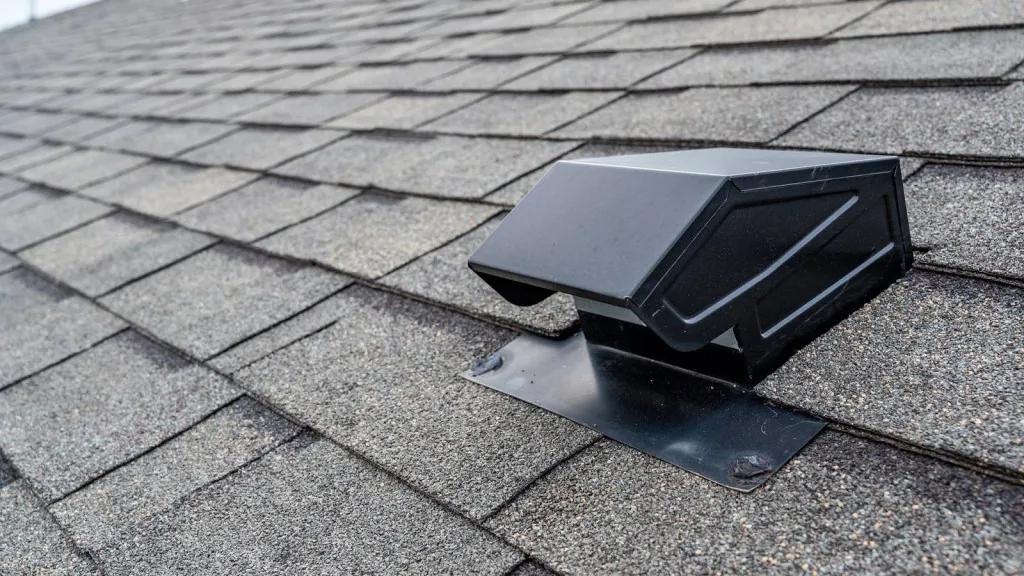
In arid environments like the Southwest, excessive attic heat can accelerate roof material degradation and spike your energy bills. Adequate airflow helps vent this heat—saving your roof, your wallet, and your comfort.
- Extends Roof Lifespan: Hot attics cause shingles and underlayment to deteriorate faster. Proper attic ventilation helps prevent premature damage. The heat buildup beneath your roofing materials acts like a slow-cooking oven, especially during the peak summer months when attics can reach temperatures of 150°F or more. Without a way for that heat to escape, the materials soften, dry out, and lose their protective integrity—resulting in cracking, curling, and even complete failure. Over time, this can lead to costly repairs or full roof replacement years earlier than necessary.
- Prevents Moisture and Condensation: Even in dry climates, temperature shifts can trap moisture in your attic. Good ventilation prevents warping, rot, and mold. Desert homes often cool rapidly at night, which can cause warm indoor air to condense on cooler attic surfaces. If this moisture has nowhere to escape, it can soak into your roof deck or insulation. Over time, this creates the perfect environment for wood rot, mildew, and even structural weakening. Mold may also spread to other parts of the home if not addressed. Ventilation keeps the attic dry and maintains healthy air circulation.
- Boosts Energy Efficiency: By allowing trapped attic heat to escape, your HVAC system doesn’t have to work overtime—reducing cooling costs. A poorly ventilated attic acts like a giant oven sitting on top of your house, radiating heat downward through ceilings and ductwork. Your air conditioner must then work harder and longer to maintain comfortable temperatures inside your home. With proper ventilation, hot air is continuously expelled, reducing the strain on your cooling system and lowering monthly utility bills. Over time, this can lead to significant savings—especially during long Arizona summers when air conditioning runs constantly.
Proper ventilation also contributes to indoor comfort and air quality. Stale, superheated air trapped in an attic can seep down into living spaces, making rooms feel hotter and stuffier than they should. Additionally, without air movement, indoor pollutants or insulation fibers can linger in the air longer. A well-ventilated attic reduces these risks and keeps airflow balanced. For desert homeowners, especially in areas like the desert Southwest where summer temperatures regularly top 110°F, ventilation is more than just a bonus—it’s a necessity for preserving the longevity of your roof and comfort of your home.
Core Ventilation Strategies for Desert Homes
Here are the most effective ventilation solutions that we’ve installed and recommend at KY‑KO Roofing for homes throughout the desert communities. Each one offers unique advantages depending on your roof style, budget, and comfort goals.
Ridge and Soffit Vents
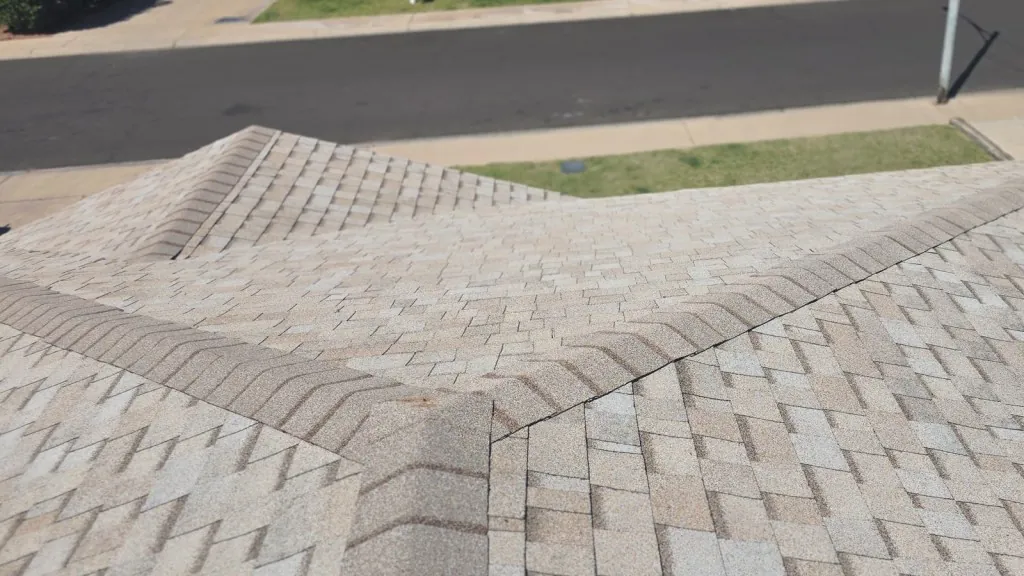
Ridge and soffit vents form one of the most balanced and efficient passive ventilation systems available. Soffit vents, installed under the eaves, allow cooler outdoor air to enter the attic. Ridge vents, which run along the peak of the roof, provide a natural escape for rising hot air. This process—called the “stack effect”—keeps air circulating even without the need for fans or power.
This system is ideal for homes with pitched roofs and continuous ridgelines. It works quietly and efficiently, requiring very little maintenance once installed. At KY‑KO Roofing, we often recommend this setup during new roof installations or full replacements. For older homes, we can retrofit ridge vents during a roof upgrade.
One of the biggest advantages of this system is that it blends seamlessly into your roof’s design and adds no visual bulk. However, proper balance is essential—too much ridge venting without sufficient soffit intake can backfire, causing poor airflow. We calculate the proper venting ratio to ensure your attic breathes efficiently year-round.
Gable Vents
Gable vents are another traditional option, typically installed at the high points of gable-end walls. These vents allow cross-ventilation as air moves horizontally through the attic space. They’re a smart solution for older homes that may not have soffits or enough roofline for ridge vents.
While gable vents don’t use the stack effect, they can still effectively reduce heat and moisture buildup—especially when wind or airflow is consistent. In desert areas where storms and strong winds are rare, gable vents may be combined with other ventilation methods to improve performance.
They also serve as a useful fallback system in homes where more modern ventilation designs aren’t feasible due to framing or space constraints. When needed, our team can install upgraded louvers or weatherproofed covers to protect against dust and insects while maintaining strong airflow.
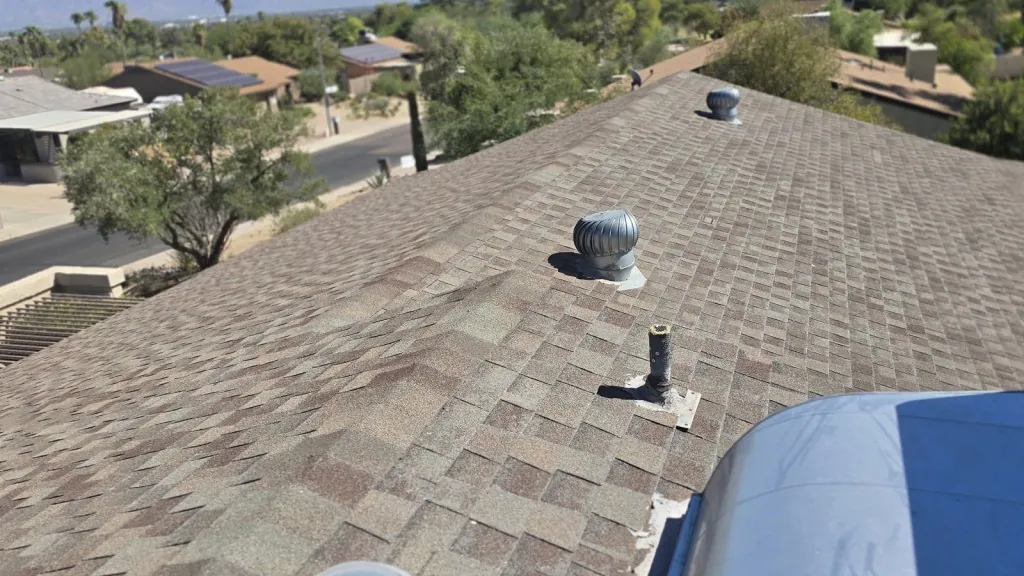
Turbine Vents
Also known as “whirlybirds,” turbine vents are a popular semi-passive option. These round, spinning vents sit near the roof’s ridge and use wind power to create suction, pulling hot air out of the attic. In areas with regular breezes, these vents can move large volumes of air efficiently.
For desert homes, turbine vents are a great addition to a more comprehensive ventilation strategy. They’re especially helpful for releasing heat buildup quickly during late afternoons when attic temperatures peak. At KY‑KO Roofing, we often recommend installing multiple turbines on larger homes for better coverage.
They require no electricity and have few moving parts, making them cost-effective and relatively low maintenance. However, they do require some wind to operate. Without it, airflow is minimal. For this reason, turbine vents are typically paired with soffit vents or solar-powered fans to ensure consistent airflow under all conditions.
Solar-Powered Attic Fans
When passive systems aren’t enough, solar-powered attic fans offer a proactive and eco-friendly solution. These fans are mounted on the roof and powered by integrated solar panels. They kick on automatically during hot, sunny days and help push hot air out of the attic faster than passive systems alone.
In desert climates where the sun shines more than 300 days a year, solar attic fans are incredibly effective. They don’t draw any electricity from your home and require no wiring, making them ideal for retrofits. For homeowners with limited ridge or soffit space, they can be a game-changer in keeping attic temps manageable.
KY‑KO Roofing installs solar-powered fans that are designed to withstand intense UV exposure, heat, and wind. We also ensure proper flashing and sealing during installation to prevent leaks and maximize efficiency. The only limitation is that they depend entirely on sunlight, so airflow may decrease on cloudy days or at night. Still, for most desert homes, that’s rarely an issue.
Solar Chimneys
A solar chimney—also called a thermal chimney—is a vertical shaft built into the structure of a home that uses solar heat to generate airflow. When sunlight heats the air in the chimney, it rises and escapes, drawing cooler air in from the bottom or through other vents. This natural convection creates steady ventilation without any electricity.
While more common in custom or architect-designed homes, solar chimneys are gaining popularity in desert regions thanks to their passive performance and sleek appearance. They’re particularly useful in modern, energy-efficient homes where the goal is to minimize mechanical systems and take advantage of the environment.
Our roofing experts at KY‑KO Roofing can coordinate with builders or retrofit solar chimneys during major roof renovations. The design must be tailored to your home’s size, location, and airflow needs. While the initial cost can be higher than standard vents, the long-term energy savings and minimal maintenance often make it a smart investment.
Windcatchers
Rooted in Middle Eastern and desert architectural history, windcatchers are vertical shafts that capture outside air and funnel it down into the home while simultaneously allowing hot interior air to rise and escape. This bidirectional flow creates excellent ventilation and cooling without electricity or moving parts.
In modern desert homes, windcatchers can be integrated into roof structures or built as independent elements on flat or parapet-style roofs. They’re especially helpful during the cooler nights of desert summers, when outside air can be pulled into the attic to flush out daytime heat.
Windcatchers are ideal for environmentally conscious homeowners who want a low-impact, sustainable ventilation solution. They also offer aesthetic value and can be incorporated into the architecture as a design feature. KY‑KO Roofing works with clients and designers to ensure windcatchers are structurally sound, well-sealed, and positioned for optimal airflow.
Bonus: Combination Systems
No single ventilation method works best for every home. In fact, most desert homes benefit from a combination of two or more of the systems above. For instance, you might pair ridge and soffit vents with a solar-powered attic fan to handle heat on days when air movement is minimal. Or you might combine gable vents and turbines to help an older home achieve modern performance.
At KY‑KO Roofing, we conduct a full inspection and ventilation assessment before making any recommendations. We consider roof slope, orientation, attic size, insulation levels, and even the age of your HVAC system. From there, we design a ventilation strategy that maximizes airflow while complementing your home’s style and roofing material.
Ventilation for Different Roofing Materials
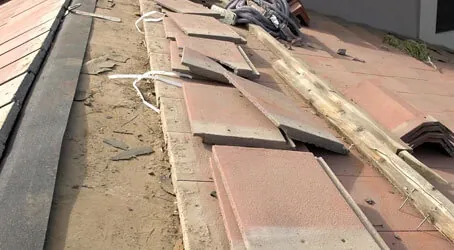
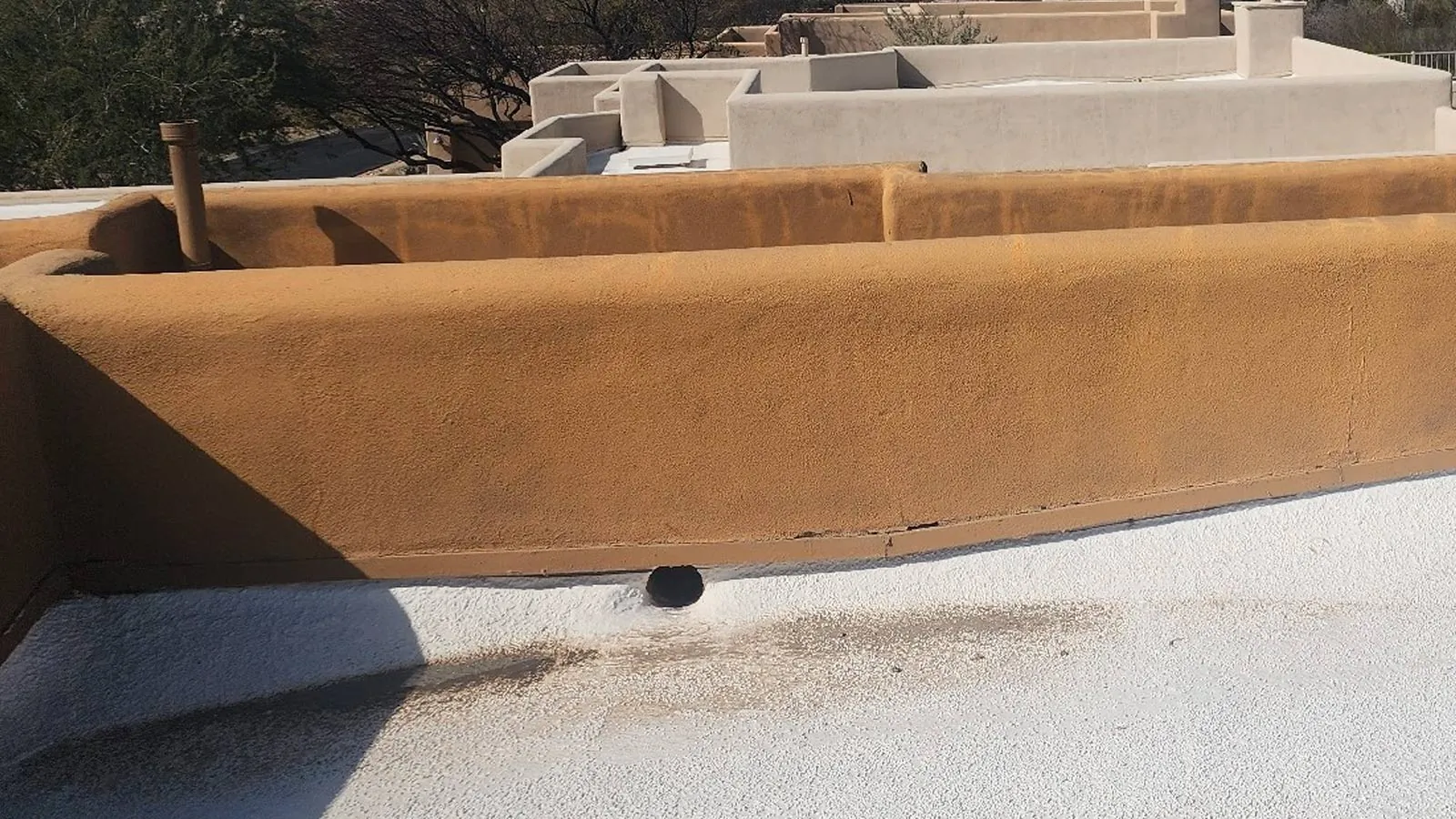
Every roofing material behaves differently in the desert heat. Tile roofs, common in the desert, require careful ventilation planning due to their mass and spacing. Foam roofs are highly reflective but can trap heat underneath if not vented correctly. Shingle roofs are especially prone to heat damage and often need active ventilation systems to prolong their life.
KY‑KO Roofing tailors ventilation solutions to each roof type. We ensure proper flashing around vents for foam roofs, install elevated turbines for tiled surfaces, and recommend solar fans for asphalt shingles. Proper pairing of material and airflow system is key to long-term roof performance in Arizona’s extreme climate.
What You Can Expect from KY‑KO Roofing
Choosing the right ventilation system starts with an expert assessment—and that’s where KY‑KO Roofing comes in. Our team brings decades of experience working with the deserts harsh desert environment. We understand how temperature, humidity, wind, and sun all affect your roofing system and attic space.
When you work with us, you’re getting a trusted local company that prioritizes honesty, quality, and long-term solutions. We don’t push unnecessary upgrades or pressure you into costly systems. Instead, we take the time to educate you on your options, show you exactly what’s going on inside your attic, and provide clear, affordable solutions.
Our goal is to help you stay cooler, reduce your energy bills, and get the longest life possible from your roofing investment. Ventilation plays a major role in all three—and we’re here to get it right.
Desert-Specific Best Practices
Step beyond the basics with these desert-focused enhancements:
- Use Reflective Roofing Materials: High-albedo surfaces like white foam or coated metal reflect more sunlight and help reduce attic temperatures.
- Nighttime Cooling: Many desert areas experience a large temperature drop at night. Ventilation systems that remain open can flush out daytime heat naturally.
- Zone-Based Ventilation: Certain areas of the attic, especially those beneath west-facing slopes, may need more ventilation. Tailoring your system ensures even airflow.
- Combine with Shade Structures: Overhangs and solar panels can block heat from reaching your roof while helping preserve vent openings.
Signs You Need Better Roof Ventilation
How do you know if your home’s ventilation is up to par? Watch for these warning signs:
- Uncomfortably hot second floors or attic spaces
- Excessive use of air conditioning during summer
- Roof shingles curling or deteriorating faster than expected
- Stale or musty air in attic or upper levels
- Visible mold or mildew on attic rafters
- Condensation forming inside attic during the cooler months
Tips for Installing Roof Ventilation in the Desert
Ventilation is only as effective as its design and installation. Here are some best practices we follow at KY‑KO Roofing:
- Balance Intake and Exhaust: Intake (cool air in) and exhaust (hot air out) must be balanced to create continuous airflow. A typical ratio is 1 square foot of vent for every 300 square feet of attic space.
- Install in Proper Locations: Intake vents should be near the eaves, while exhaust vents should be near the ridge or peak for natural convection to occur.
- Seal Air Leaks: Ensure attic bypasses, like recessed lights or HVAC openings, are sealed to prevent conditioned air from escaping.
- Consider Roofing Material: Some materials, like tile or foam, require specialized vent placement and flashing to avoid damage.
- Inspect Existing Vents: We always check for clogged, blocked, or improperly installed vents before adding more.
Why Choose KY‑KO Roofing?
Homeowners across the Valley trust KY‑KO Roofing because we tailor every solution to your home’s specific conditions. Here’s what sets us apart:
- We’re local—we understand the extreme Arizona heat and the toll it takes on roofs.
- Our team is licensed, bonded, and insured.
- We provide free estimates and honest inspections—no scare tactics or pressure sales.
- Our installations are backed by our Owner’s Pride Guarantee.
- We work on all types of roofs including tile, shingle, foam, and flat systems.
Whether you’re building a new home, upgrading an old system, or just need a checkup, we’re ready to help you breathe easier—literally.
Conclusion
Roof ventilation is more than a good idea—it’s a necessity in the desert. When properly designed and installed, a ventilation system will reduce your cooling bills, extend the life of your roofing materials, and make your home more livable all year long.
Whether you’re considering ridge vents, turbine systems, or solar-powered fans, KY‑KO Roofing is here to help you select and install the right solution for your home. Our team of experts knows what works best in Arizona’s climate and will provide a system that delivers real results.
Contact us today to schedule your free inspection or consultation. Let’s keep your home cool—efficiently and affordably.
Get a free roofing checkup.
A licensed KY-KO roofer inspects your roof, documents anything the desert threw at it, and gives you a straight answer — repair, recoat, or replace.