Leaks Around Skylights and Solar Tubes


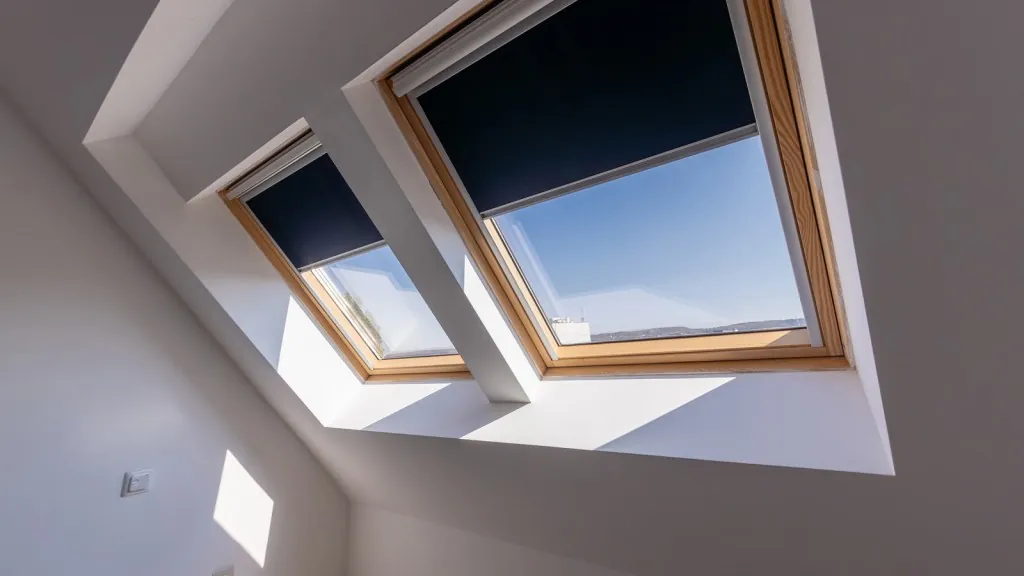
Skylights and solar tubes are beautiful additions to a home, offering natural light and reducing the need for electricity during the day. But while they improve aesthetics and efficiency, they also create one of the most vulnerable points in a roofing system: the areas where flashing and roofing materials meet. These connections are critical, yet they are also the first line of defense against wind-driven rain, pooling water, and the intense heat that Arizona homes face. When flashing corrodes, bends, or separates, or when roofing materials around skylights deteriorate, leaks are almost inevitable. And unlike other roof issues, water intrusion near a skylight can spread quickly, leading to interior stains, mold, and costly repairs.
The problem isn’t always poor installation. Over time, even high-quality roofing systems wear down. Sealants dry out, adhesives fail, and roofing materials contract and expand with temperature changes. Seasonal storms, UV exposure, and age all conspire to shorten the life of flashing and shingles around skylights and solar tubes. Without regular maintenance, what starts as a small issue—a hairline crack in caulking, or a loose shingle near flashing—can escalate into significant water damage. In this article, we’ll explore how and why flashing fails, what role roofing materials play in leaks, the early warning signs of a leaking skylight, and the critical steps homeowners should take to maintain these vulnerable areas. With expert help from KY-KO Roofing, you can safeguard your home from the risks of water intrusion and extend the lifespan of both your skylights and your roof.
Why Flashing and Roofing Materials Fail Around Skylights
The flashing around skylights and solar tubes is designed to act as a waterproof barrier that redirects rainwater down the roof and away from openings. But flashing is constantly under stress. Arizona’s intense sun heats metal flashing during the day, followed by cooler nighttime temperatures that cause it to contract. This daily cycle of expansion and contraction weakens connections and can lead to tiny gaps that let water through. Add heavy monsoon rains or wind-driven debris, and flashing quickly loses its ability to seal properly.
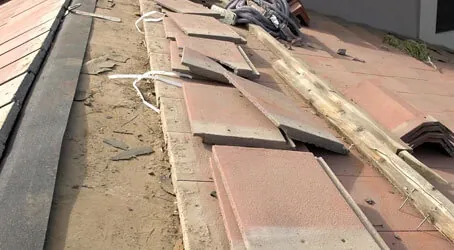
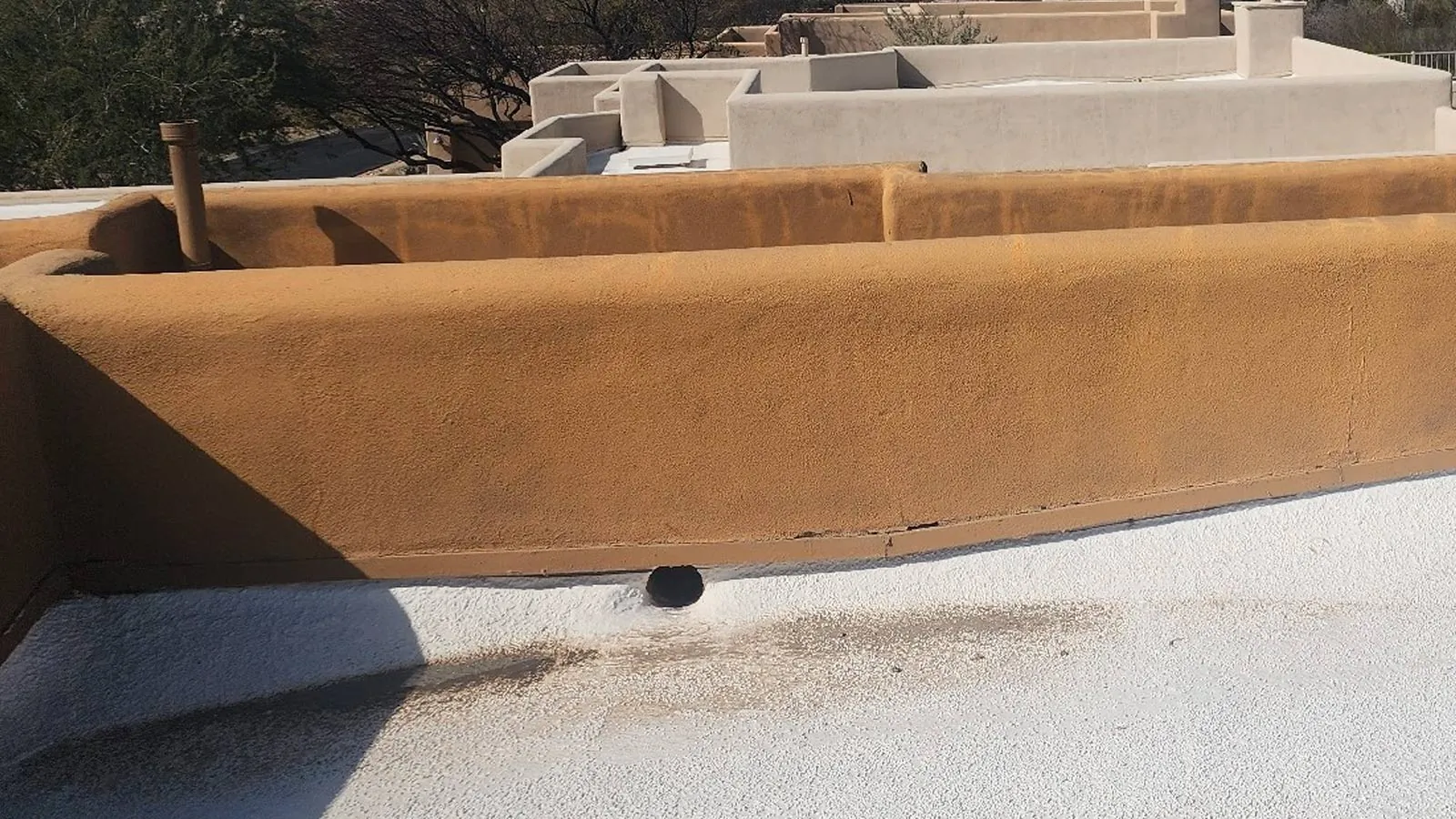
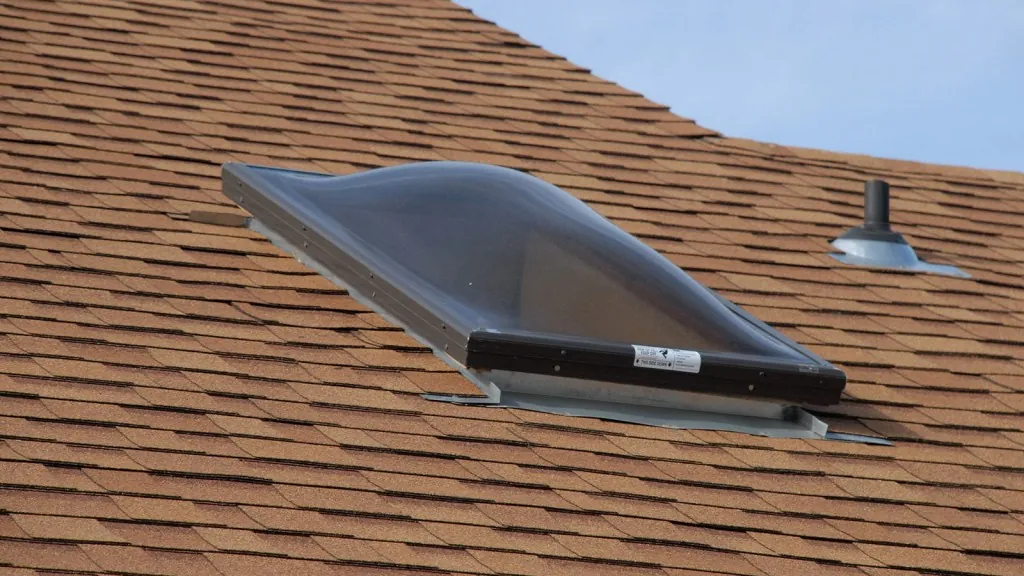
Roofing materials around skylights face similar challenges. Asphalt shingles can curl, crack, or lose granules when exposed to prolonged UV radiation. Tile roofs may develop cracks or chips that allow water to seep underneath. Foam or flat roofing systems are especially prone to pooling water, which puts pressure on flashing joints and accelerates deterioration. Improper installation also plays a role. If flashing wasn’t layered correctly with shingles or tiles, or if caulking was relied upon instead of proper step-flashing techniques, leaks are almost guaranteed over time. Even high-quality installations need upkeep, because adhesives, sealants, and underlayment all break down eventually. Without regular inspections, small failures can go unnoticed until they develop into a major problem, leaving homeowners with the costly results of a leaking skylight.
Common Warning Signs of Failing Flashing and Roofing Materials
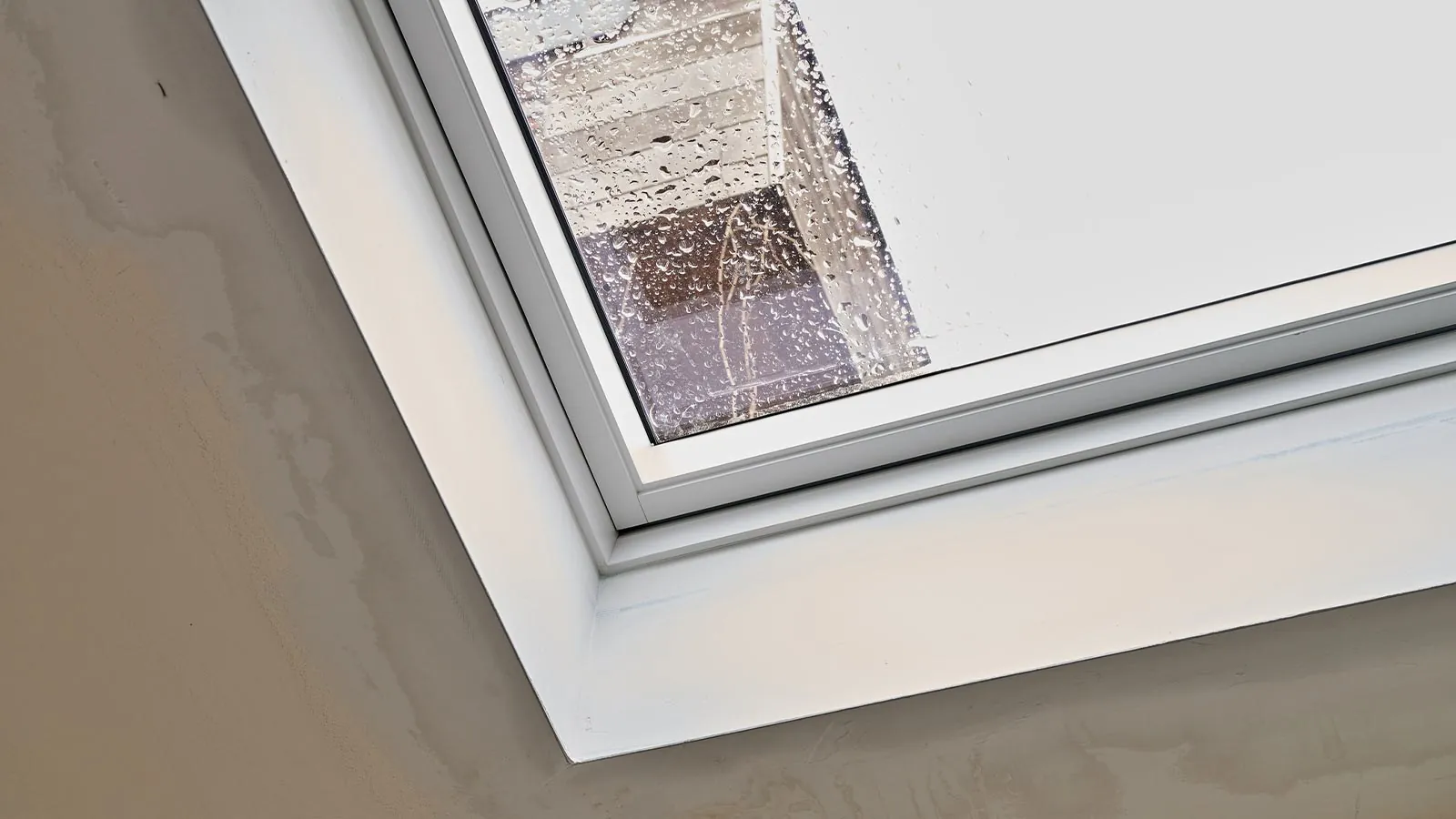
- Cracked or brittle sealant: Dried-out caulking around skylights indicates that water is likely finding a way through.
- Lifted shingles or tiles: Roofing materials that no longer sit flush against flashing create entry points for rain.
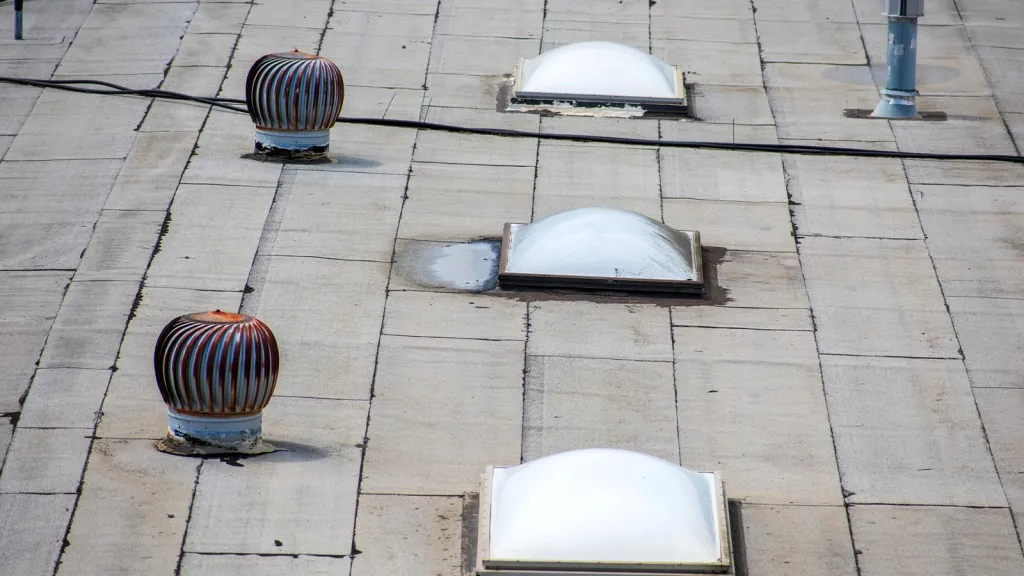
- Rust or corrosion: Discolored or rusting flashing is a clear indicator that water is compromising its integrity.
- Pooling water: Water accumulation around skylights or solar tubes suggests inadequate drainage or damaged roofing materials.
- Stains on ceilings: Brown or yellow patches near skylight wells point to water intrusion already underway.
- Granule loss: Shingles surrounding skylights that are smooth or balding are no longer fully protective.
- Cracked tiles: On tile roofs, even a small fracture near flashing can create an entry point for water.
- Mold or mildew smell: A musty odor indoors is often the first sign of hidden leaks near skylights.
- Warped drywall: Bubbling or sagging around skylight wells indicates long-term moisture exposure.
- Loose fasteners: Nails or screws sticking up from shingles near flashing weaken the overall waterproof seal.
The Importance of Regular Maintenance
Flashing and roofing materials are not “install and forget” features. To function properly, they need routine care and periodic replacement. Professional roofers recommend annual inspections, particularly before and after storm seasons. During these inspections, a roofer can identify deteriorating caulking, warped flashing, or shingles that are starting to lift. Addressing these issues early costs far less than repairing water damage inside the home. Maintenance might include resealing flashing joints, replacing worn shingles or tiles, and reinforcing underlayment near vulnerable points. For flat roofs, ensuring proper drainage is especially important to prevent pooling water from overwhelming skylight seals.
Homeowners should also keep gutters clear of debris. Clogged gutters redirect water toward skylight perimeters, increasing the risk of leaks. Trimming back tree limbs prevents debris and branches from damaging roofing materials during storms. Additionally, be mindful of age. Most skylights have a lifespan of 20 to 25 years, and roofing materials naturally deteriorate during that period. If your skylight is approaching this age—or if your roof itself is nearing the end of its service life—it may be time to consider proactive replacement. Partnering with experienced professionals, like KY-KO Roofing, ensures that both skylights and flashing are installed correctly, sealed tightly, and maintained for maximum performance.
Repair vs. Replacement: Which Is Best?
When leaks appear, homeowners often ask whether repairing the flashing and roofing materials is enough or if full replacement is necessary. The answer depends on the extent of the damage. If the problem is limited to cracked caulking or a few loose shingles, a skilled roofer can often make targeted repairs that restore watertightness. This may include replacing sections of flashing, reapplying sealant, or securing adjacent roofing materials. These repairs can be completed quickly and are relatively inexpensive compared to full replacements.
However, if leaks have persisted for months—or if the skylight itself is approaching the end of its life span—replacement may be the smarter investment. Installing a new skylight or solar tube, along with new flashing and surrounding roofing materials, provides a more reliable, long-term solution. This approach eliminates recurring leaks and reduces the risk of water damage spreading to other parts of the roof. A professional assessment from KY-KO Roofing will give you a clear understanding of whether repairs or replacements are most cost-effective for your situation.
FAQs About Skylight and Solar Tube Maintenance
How often should skylight flashing be inspected? At least once a year, ideally before Arizona’s monsoon season. Professional inspections can catch small issues before they become major leaks.
Can I reseal flashing myself? DIY sealing may offer a short-term fix, but without proper installation and layering, the leak will likely return. Professional repair is the safest option.
What materials fail the fastest around skylights? Sealants and asphalt shingles are most vulnerable, as they dry out, crack, and shrink under extreme heat and UV exposure.
Does roof age affect skylight leaks? Yes. Older roofs have weakened underlayment and shingles, making skylights more vulnerable to water intrusion even with intact flashing.
Are solar tubes less prone to leaks? They have fewer seams, but poor flashing installation or roof deterioration can still create a leaking skylight-like problem.
What’s the lifespan of flashing? Properly installed metal flashing can last decades, but exposure to Arizona’s climate means resealing or replacement may be needed sooner.
Should I replace skylights when replacing my roof? Yes. Coordinating both projects ensures proper sealing and extends the lifespan of your roofing system.
Why Choose Professional Maintenance
Addressing flashing and roofing material issues is not a DIY project. Working on a roof is dangerous, and skylights add another level of risk because their glass can be fragile and slippery. Beyond safety, professional roofers know how to properly layer flashing, integrate it with shingles or tiles, and apply sealants that will withstand the unique stresses of Arizona’s climate. Attempting repairs without this expertise often leads to temporary fixes that fail during the next heavy rain. By trusting experienced professionals, you gain both peace of mind and long-term protection against leaks.
At KY-KO Roofing, we provide comprehensive inspections, targeted repairs, and expert replacements. Our team understands the local climate and the unique pressures it places on flashing and roofing materials. By partnering with us, homeowners can extend the life of their roofs, prevent costly water damage, and enjoy the benefits of skylights and solar tubes without the stress of ongoing leaks.
Conclusion
Flashing and roofing materials are essential for keeping skylights and solar tubes watertight, but they don’t last forever. Heat, storms, and age gradually wear them down, creating vulnerabilities that lead to leaks, mold, and costly repairs. Regular inspections, proactive maintenance, and timely repairs are the keys to preventing damage. A leaking skylight isn’t just a nuisance—it’s a sign that your roof needs immediate attention. The longer you wait, the more damage water can cause to your home’s structure and value.
Don’t take chances with something as important as your roof. With the expertise of KY-KO Roofing, you can be confident that flashing, shingles, tiles, and underlayment are all working together to protect your home. Whether you need routine maintenance, targeted repairs, or a full replacement, professional service ensures lasting protection and peace of mind. Protect your home, preserve your skylight investment, and avoid the headaches of preventable water damage by taking action today.
Get a free roofing checkup.
A licensed KY-KO roofer inspects your roof, documents anything the desert threw at it, and gives you a straight answer — repair, recoat, or replace.